


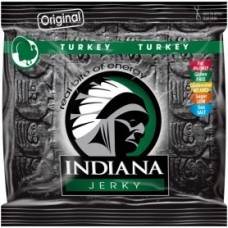

Understanding Turkey Meat: A Versatile Protein Source
Turkey meat is a popular protein choice for many households across the United States. The products within this category share several key attributes that make them appealing to consumers. One of the main features of turkey meat is its versatility; it can be prepared in various ways, from roasting a whole turkey for a festive meal to ground turkey that serves as a leaner alternative in everyday dishes. Additionally, turkey meat is renowned for its health benefits, being lower in fat and calories compared to other meats, which makes it an excellent option for health-conscious consumers. Commonly, turkey is available in various cuts, including breast, thigh, and drumsticks, each offering unique flavors and textures that cater to diverse culinary preferences.
Exploring Types and Forms of Turkey Meat
Within the turkey meat category, there are several types and forms available, allowing consumers to choose based on their cooking needs and preferences. Whole turkeys are typically purchased for special occasions and celebrations, providing an impressive centerpiece for family gatherings. For everyday cooking, turkey can be found in various cuts, such as turkey breast fillets, thighs, and wings. There are also processed forms like turkey bacon, turkey sausages, and ground turkey, catering to a range of dietary needs and taste preferences. These options make turkey meat highly accessible for both traditional recipes and modern culinary innovations, ensuring that there is something for everyone, whether they are seasoned cooks or kitchen novices.
Why Choose Turkey Meat Over Other Proteins
Turkey meat stands out among other protein sources for several reasons. Unlike beef and pork, turkey is significantly lower in saturated fats, making it a more heart-healthy option. Additionally, it has a high protein content, which is essential for muscle repair and growth, making it a favorite among fitness enthusiasts. Turkey also boasts rich levels of essential nutrients such as B vitamins, zinc, and selenium, which contribute to overall health and well-being. Unlike chicken, turkey offers a unique flavor profile that is both savory and satisfying, providing an alternative for those who are looking to diversify their protein sources. Dieticians often recommend turkey meat as a healthier substitute in various recipes, and its mild flavor allows it to easily absorb seasoning, making it adaptable to a wide range of cuisines.
The Long-Term Benefits and Considerations of Turkey Meat
Incorporating turkey meat into your diet can lead to numerous long-term health benefits, including improved heart health and better weight management due to its lower fat content. Regular consumption of lean proteins like turkey is associated with muscle development and a balanced diet. However, it is essential to consider some contraindications. For instance, individuals with specific allergies or sensitivities to poultry should avoid turkey products. Additionally, certain processed turkey items may contain additives, such as sodium and preservatives, which might not be suitable for those on specialized diets. Pregnant women and young children should consult with a healthcare professional before incorporating turkey into their diet, especially in processed forms, to ensure safety and nutritional balance.
Selecting and Using Turkey Meat Wisely
When it comes to selecting turkey meat, freshness and quality are paramount. Look for turkey products labeled as "fresh" rather than "frozen," as this can impact the flavor and texture. Checking for a bright color and minimal bruising can also indicate quality. It's advisable to opt for organic or free-range turkey when possible, as these options often have better taste profiles and fewer chemicals. In terms of preparation, consider marinating turkey to enhance its flavor and tenderness. Cooking methods such as roasting, grilling, or slow-cooking can yield delicious results while preserving the meat's nutritional value. Always ensure turkey is cooked to the safe internal temperature of 165°F to prevent foodborne illnesses. By selecting high-quality products and preparing them carefully, consumers can truly enjoy the benefits of including turkey meat in their diets.