


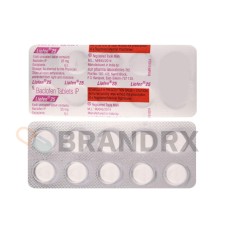

Baclofen and Its Unifying Features
Baclofen is a medication that serves as a muscle relaxant, primarily used to treat spasticity due to neurological conditions. Its unique working mechanism primarily involves the modulation of the gamma-aminobutyric acid (GABA) receptors in the central nervous system. By enhancing the inhibitory effects of GABA, Baclofen effectively reduces muscle stiffness and spasms, leading to improved mobility and comfort for individuals suffering from conditions such as multiple sclerosis and spinal cord injuries. Alongside its muscle relaxation properties, Baclofen may also influence pain perception, further enhancing its therapeutic efficacy.
Common to all products in the Baclofen category is their ability to provide symptomatic relief while improving the quality of life for patients. Despite the varying formulations available, these products share a common goal – to alleviate discomfort caused by muscle hyperactivity. Furthermore, Baclofen’s fast-acting nature ensures that users experience relief quickly, making it a preferred choice among healthcare providers for managing acute and chronic symptoms associated with muscle spasticity.
Forms of Baclofen Release
Baclofen is available in several different forms, each designed to cater to varying patient needs and preferences. The most common forms include oral tablets, liquid solutions, and intrathecal formulations. Oral tablets are typically prescribed for daily use and are well-suited for outpatient management, while liquid formulations are useful for individuals who may have difficulty swallowing pills.
Intrathecal Baclofen delivery systems, on the other hand, involve placing a small pump under the skin that administers the medication directly into the spinal fluid. This method is particularly useful for patients with severe spasticity that does not respond to oral Baclofen, as it allows for a lower dose while still achieving effective results. Understanding these different forms of Baclofen is crucial for both patients and healthcare providers in determining the most effective administration route based on the specific clinical situation.
Distinguishing Characteristics of Baclofen
One of the primary distinctions of Baclofen from other muscle relaxants and spasticity treatments is its specific targeting of the GABA receptors. While many muscle relaxants may work to sedate the user or cause general muscle relaxation, Baclofen provides a more focused approach that aims to control spasticity while maintaining muscle tone. This unique property allows for better functional mobility, which is particularly important for individuals who require an active lifestyle.
Furthermore, Baclofen’s side effect profile differs from other medication classes, presenting fewer sedative effects, which can be a key consideration. This makes Baclofen the preferred option for patients who need to maintain their daily activities without the grogginess often associated with traditional muscle relaxants. It’s this combination of targeted action, efficacy, and a more favorable side effect profile that sets Baclofen apart and makes it an attractive choice for patients dealing with muscle spasticity.
Long-Term Effects and Considerations
When considering the long-term use of Baclofen, it is important to recognize its potential benefits and limitations. Many patients report sustained relief from muscle spasticity with continued use of Baclofen, often leading to improved overall function and quality of life. However, the long-term use of this medication should be monitored closely by healthcare professionals to avoid potential complications, such as the development of tolerance or withdrawal symptoms if the treatment is suddenly stopped.
Contraindications for Baclofen’s use primarily include patients with hypersensitivity to the drug, those with certain psychiatric conditions, and individuals who are pregnant or breastfeeding. Special caution should also be taken for individuals with kidney impairment, as Baclofen is primarily eliminated through the kidneys and may require dosage adjustments. Patients with a history of seizures should also be closely evaluated before beginning treatment with Baclofen.
Practical Advice for Using Baclofen
When considering starting treatment with Baclofen, it is crucial to have an open dialogue with a healthcare provider. This includes discussing the severity and type of symptoms experienced, as well as the individual’s medical history and any other medications they may be taking. A healthcare professional can help determine the most suitable formulation and dosage to ensure both safety and efficacy.
In addition, it is advisable to start with a low dose and gradually increase as recommended by a healthcare provider to minimize side effects. Regular follow-ups are essential to assess the medication’s effectiveness and make any necessary adjustments. Patients should also be encouraged to monitor their symptoms and report any side effects or concerns they may experience during treatment.
Ultimately, Baclofen has the potential to provide significant relief for individuals dealing with muscle spasticity when used appropriately and under the guidance of a healthcare professional. Proper management and monitoring can greatly enhance the benefits of this medication while minimizing risks, making it a valuable option for patients seeking to improve their mobility and quality of life.