


 0

 0
 0
 0
 0
 0
 0
 0
 0
 0
 0
 0
 0
 0
 0
 0
 0
 0
 0
 0
 0
 0
 0
 0
 0
 0
 0
 0
 0
 0
 0
 0
 0
 0
 0
 0

 0
 0
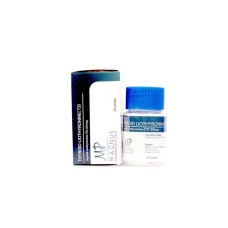
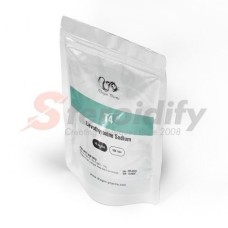
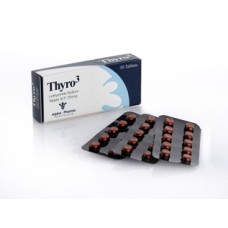
Liothyronine Sodium: Understanding Its Role in Thyroid Hormone Replacement Therapy
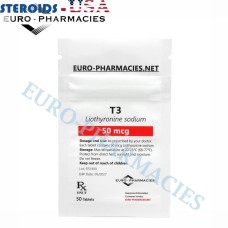
Liothyronine Sodium is a synthetic form of the naturally occurring thyroid hormone triiodothyronine (T3). It plays a crucial role in the management of various thyroid-related disorders, primarily hypothyroidism. When the thyroid gland is underactive and fails to produce adequate amounts of thyroid hormones, Liothyronine Sodium can help restore normal thyroid function. This medication aids in the regulation of metabolism, energy levels, and overall well-being.
As a potent thyroid hormone replacement, Liothyronine Sodium is often used in cases where a rapid therapeutic response is necessary, as its effects are usually seen more quickly than that of other treatments. This category is widely recognized by healthcare professionals for its effective management of symptoms associated with low thyroid hormone levels, making it an essential option in endocrine therapy.
Typical Users and Contexts for Liothyronine Sodium
The typical users of Liothyronine Sodium include individuals diagnosed with hypothyroidism or other thyroid dysfunctions that require hormonal intervention. These patients can range in age from children to older adults, with varying underlying health conditions that necessitate the use of this treatment. Healthcare providers often consider Liothyronine Sodium for patients who do not respond adequately to levothyroxine or those who require a rapid increase in thyroid hormone levels.
Liothyronine Sodium can also be prescribed in specific contexts, such as pre-operative preparation for thyroid surgery or as part of a treatment regimen for certain types of thyroid cancer. Additionally, it may be utilized in weight loss plans under medical supervision for individuals with subclinical hypothyroidism. Overall, this category is applied in a diverse range of medical scenarios, emphasizing its versatility and importance in thyroid health management.
Strengths and Distinguishing Characteristics of Liothyronine Sodium
Liothyronine Sodium boasts several strengths that distinguish it from other thyroid hormone replacement therapies, primarily levothyroxine, which is T4. Its unique characteristics make it an advantageous choice for specific patient populations. One notable feature of Liothyronine Sodium is its rapid onset of action; patients may experience notable improvements in symptoms within hours of administration, whereas T4 conversion to T3 can take longer, resulting in delayed therapeutic effects.
Furthermore, Liothyronine Sodium provides precise control over T3 levels in the bloodstream, allowing healthcare providers to tailor dosage more effectively for individuals who may not respond well to standard T4 treatments. This targeted approach enhances the overall efficacy of thyroid hormone replacement therapy and can significantly improve the quality of life for many patients suffering from thyroid-related disorders.
Overview of Liothyronine Sodium Benefits
Liothyronine Sodium presents a range of benefits that make it a valuable option in the management of hypothyroidism and other thyroid conditions. These advantages include the following:
- Rapid onset of action, providing quicker relief from symptoms of hypothyroidism.
- Ability to fine-tune T3 levels, offering personalized treatment options for patients.
- Enhanced symptom management for those who do not respond adequately to levothyroxine alone.
- Support for metabolic functions and energy levels, improving overall quality of life.
- Use in the pre-operative setting or for specific thyroid cancers, showcasing its versatility in treatment plans.
The overall efficacy of Liothyronine Sodium in alleviating symptoms such as fatigue, depression, weight gain, and cognitive decline is well-documented, making it an important component in the comprehensive management of thyroid disorders.
Important Considerations Before Choosing Liothyronine Sodium
Before opting for Liothyronine Sodium, it is essential to consider various factors to ensure its appropriateness for individual health needs. First and foremost, a comprehensive evaluation by a healthcare professional is crucial, as they can determine the proper diagnosis and treatment plan. Additionally, potential contraindications, such as pre-existing heart conditions, adrenal insufficiency, or a history of thyroid cancer, should be carefully reviewed before initiating therapy.
It is also important to understand the potential side effects associated with Liothyronine Sodium, which may include increased heart rate, insomnia, and anxiety, particularly if the dosage is not carefully monitored. Patients should receive adequate counseling on the importance of adherence to prescribed dosages and regular follow-up appointments to assess the effectiveness of the treatment and make necessary adjustments. Overall, being informed helps ensure the safe and effective use of this vital medication as part of thyroid management strategies.