


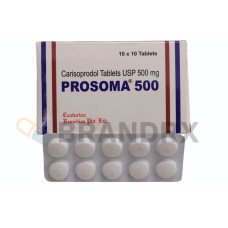
Carisoprodol: Description and Main Properties
Carisoprodol is a prescription medication primarily used as a muscle relaxant in the management of acute musculoskeletal conditions. It acts on the central nervous system, providing relief from pain and discomfort associated with muscle spasms. This category comprises both the active ingredient and the pharmacological effects it imparts to those suffering from tension or injury-related muscle stiffness.
Characteristically, Carisoprodol is a white crystalline powder, typically taken orally in tablet form. It has a rapid onset of action, with effects generally felt within 30 minutes to an hour after ingestion. Its duration of action can last up to six hours, making it a suitable choice for short-term relief of acute muscle pain. Carisoprodol works by interrupting signals that are sent to the brain, limiting pain sensations and allowing for better mobility and comfort in individuals with muscle tension.
This medication is classified as a controlled substance due to its potential for abuse and dependence, which necessitates careful handling and monitoring by healthcare providers. It is essential to use Carisoprodol as prescribed to avoid potential side effects and ensure optimal results in muscle pain management.
Dosage Guidelines and Intake Regimen
When using Carisoprodol, it is crucial to follow specific dosage guidelines to ensure safety and efficacy. Typically, the recommended dosage for adults is between 250 mg to 350 mg, taken three times daily and at bedtime. However, the exact dosage may vary based on individual health conditions and responses to the medication.
It is vital to start with the lowest effective dose and adjust as necessary under a doctor's supervision. Patients are advised to take Carisoprodol with or without food, though taking it with food may help minimize gastrointestinal side effects. Here are some general principles of intake:
- Always adhere to the prescribed dosage schedule.
- Do not exceed the recommended duration of treatment, which typically should not extend beyond two to three weeks.
- Missed doses can be taken as soon as remembered but avoid taking two doses at once.
- Alcohol should be avoided while taking Carisoprodol, as it may enhance sedative effects and increase risks of side effects.
Individuals should also inform their healthcare provider of their complete medical history, including any allergies or other medications currently being taken, to ensure safe use of Carisoprodol.
Advantages and Practical Benefits of Carisoprodol for Athletes
Carisoprodol has found a prominent place in sports practice, primarily due to its muscle relaxant properties, which can be advantageous for athletes dealing with muscle strains or sprains. It is particularly valued for its ability to enhance mobility, relieve discomfort, and promote recovery. Here are the main benefits or practical advantages:
- Effective pain relief from muscle spasms and tension.
- Quick onset of action, allowing for timely relief during training or competitions.
- Facilitates relaxation, enabling athletes to maintain a comfortable range of motion.
- Supports recovery post-exercise by alleviating muscle tightness.
- Can be beneficial in physical therapy settings to help patients regain strength and flexibility.
As a result, Carisoprodol is often recommended for athletes who experience muscle-related injuries or discomfort during intensive training. However, it's important for athletes to use this category responsibly, adhering to regulations regarding usage and understanding the potential risks associated with its use.
What to Pay Attention to When Using This Category
While Carisoprodol can provide significant benefits, it is essential to approach its use with caution. Patients should be aware of important considerations, precautions, and contraindications associated with this medication. Here are key factors to keep in mind:
Consulting with a healthcare professional before using Carisoprodol is critical, particularly for individuals who have the following conditions:
- Pregnant or breastfeeding women.
- Individuals under the age of 16.
- Patients with a history of substance use disorder.
- Those with kidney or liver disease.
- Individuals who are taking other central nervous system depressants.
Potential side effects of Carisoprodol can include dizziness, drowsiness, headache, and potential dependence with long-term use. Awareness of these risks is essential to minimize adverse effects and ensure safe and effective treatment. If any severe side effects or symptoms of an allergic reaction occur, such as difficulty breathing, swelling, or hives, immediate medical attention should be sought.
In conclusion, while Carisoprodol has beneficial properties for managing muscle-related ailments, proper usage, medical guidance, and caution are imperative to fully realize its therapeutic benefits while minimizing risks associated with its use.