





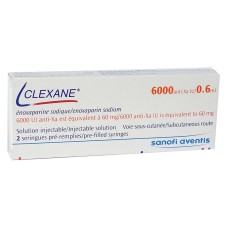
Introducing the Enoxaparin Sodium Category and Its Role for Users
Enoxaparin sodium is a medication primarily used to prevent and treat blood clots. As a low molecular weight heparin (LMWH), it plays a critical role in the management of thromboembolic disorders. This category of medication is essential for patients who face risks such as deep vein thrombosis (DVT), pulmonary embolism (PE), and those undergoing certain surgical procedures. Enoxaparin sodium is often favored due to its predictable pharmacokinetics, ease of use, and effectiveness in preventing clot formation. For many patients, especially those managing chronic conditions or recovering from surgery, the availability of enoxaparin sodium can significantly enhance their quality of life and overall safety.
Mechanism of Action of Medications in This Category
The medications included in the enoxaparin sodium category generally function as anticoagulants, which means they reduce the blood’s ability to clot. These products work by inhibiting specific clotting factors in the blood, particularly factor Xa, which is crucial in the coagulation cascade. By targeting this factor, enoxaparin sodium effectively prevents the formation of clots and allows for smoother blood flow throughout the vascular system.
One of the key features of these medications is their ability to offer both prophylactic and therapeutic benefits. Prophylactic use is aimed at preventing clot formation in at-risk patients, such as those immobilized for extended periods or those in recovery from major surgeries. Therapeutically, these medications help dissolve existing clots or prevent their growth. The predictable pharmacokinetic profile of enoxaparin sodium allows for once or twice daily injections, often enhancing patient adherence compared to other anticoagulants that may require more frequent dosing or monitoring.
Main Benefits of Enoxaparin Sodium
The primary benefits of enoxaparin sodium make it a crucial medication for those at risk of thromboembolic events. Below is a list detailing the core advantages associated with its use:
- Effective prevention of DVT and PE in both surgical and non-surgical patients.
- Decreased risk of thromboembolic complications, particularly in high-risk groups.
- Convenient dosing regimen, often administered once or twice daily.
- Minimal monitoring requirements compared to traditional anticoagulants.
- Rapid onset of action, providing quick therapeutic effects.
- Established safety profile and efficacy supporting its widespread use.
- Flexible administration options, including subcutaneous injection, which can be performed by patients themselves.
These benefits collectively establish enoxaparin sodium as a go-to option in anticoagulant therapy, aiming not only to treat but also to prevent serious health complications related to blood clotting disorders.
Safety Considerations and Who Should Avoid These Products
While enoxaparin sodium provides numerous benefits, safety considerations are essential to ensure it is used appropriately. Certain populations should avoid or use this medication with caution. Individuals who have a history of heparin-induced thrombocytopenia (HIT), active bleeding disorders, or severe renal impairment should not use enoxaparin sodium without close medical supervision. Additionally, pregnant or breastfeeding women should discuss potential risks and benefits with their healthcare providers, as the safety of enoxaparin sodium in these populations has not been definitively established.
In conclusion, while enoxaparin sodium is a valuable tool in managing thromboembolic risks, it is imperative that patients consult healthcare professionals to determine its suitability for their specific health needs. By understanding both the benefits and safety considerations, patients can make informed decisions about their anticoagulant therapy.