


 0
 1
 0
Doxazosin: An Overview of Its Role and Functionality
Doxazosin is a medication primarily used to treat conditions such as hypertension and benign prostatic hyperplasia (BPH). It belongs to a class of drugs known as alpha-1 adrenergic blockers, which work by relaxing the muscles in the blood vessels and around the prostate, leading to improved blood flow and reduced symptoms related to urinary retention. One of the key characteristics of Doxazosin and its associated products is their ability to effectively lower blood pressure and relieve urinary symptoms without significantly affecting heart rate. This ensures a safer profile for those who may be prone to cardiovascular issues. All products in the Doxazosin category share this fundamental mechanism of action, making them crucial tools in managing both blood pressure and prostate health.
Varieties of Doxazosin: Formats and Forms Available
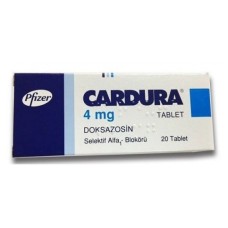
Products within the Doxazosin category are typically available in oral tablet form, allowing for convenient administration and consistent dosing. The most common dosages include Doxazosin 1 mg, 2 mg, 4 mg, and 8 mg tablets. These varying strengths enable healthcare providers to tailor treatments to individual patient needs, starting from lower doses to reduce the risk of side effects and increasing as necessary. Additionally, Doxazosin is available in an extended-release formulation, which allows for once-daily dosing and helps maintain steady medication levels in the bloodstream. This format is particularly beneficial for those who require consistent control over their symptoms without having to remember multiple doses throughout the day.
Why Choose Doxazosin Over Other Medications?
Choosing Doxazosin comes with several distinct advantages compared to other medications in the hypertensive and BPH treatment categories. Unlike other antihypertensives, Doxazosin not only lowers high blood pressure but also alleviates symptoms related to bladder obstruction due to an enlarged prostate. This dual action is particularly appealing to older men who may experience both conditions concurrently. Furthermore, Doxazosin tends to have fewer side effects related to sexual dysfunction than other options, making it a preferable choice for many patients. Moreover, its practical nature — with various dosing options and formulations — provides flexibility in managing treatment plans tailored to individual lifestyle needs.
Long-Term Effects and Considerations for Doxazosin Users
Long-term use of Doxazosin has been shown to deliver beneficial outcomes, particularly in the effective management of hypertension and reduction of urinary symptoms over time. Users often report sustained improvement in their quality of life due to better control over their blood pressure and significant reduction in urinary urgency and frequency associated with BPH. However, it is crucial to note that Doxazosin is not suitable for everyone. Contraindications include individuals who are pregnant or breastfeeding, as well as children and minors. Furthermore, those with specific medical conditions such as a history of hypotension or severe liver impairment should avoid using this medication. It is essential to consult with a healthcare provider to ensure that Doxazosin is the right choice for your unique medical profile.
Choosing and Using Doxazosin Effectively
When selecting a product from the Doxazosin category, it is important to consult with a healthcare professional to determine the most appropriate formulation and dosage based on personal health needs. Starting with the lowest effective dose can help reduce the risk of side effects, allowing for gradual adjustments based on the body's response to the medication. It is also advisable to take Doxazosin at the same time each day to maintain consistent levels in the bloodstream. Additionally, patients should be aware of potential interactions with other medications and inform their physician of any other treatments they are undergoing. Regular follow-ups are important to monitor blood pressure and urinary symptoms, ensuring that the treatment remains effective and any adjustments can be made as necessary.