


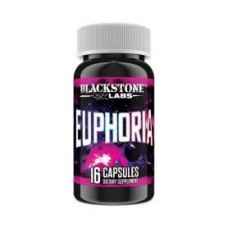

Understanding the Beta-Phenylethylamine (PEA) Category
Beta-Phenylethylamine (PEA) refers to a natural monoamine alkaloid that exists in several foods and has gained significant attention in the health and wellness market. Classified as a powerful neurotransmitter and neuromodulator, PEA plays a crucial role in how the brain functions, influencing mood, attention, and alertness. Its presence is noted in various foods, particularly chocolate, which has led to its association with feelings of pleasure and well-being. The PEA category encompasses various supplements and products designed to harness these neurological benefits, helping consumers enhance their mental focus, elevate mood, and improve physical performance.
As consumer interest in health and wellness continues to rise, the Beta-Phenylethylamine (PEA) category has carved a niche for itself. With a growing number of brands and products making their way into the market, PEA supplements are becoming widely recognized for their potential benefits in mood enhancement and cognitive function. From athletes seeking performance boosters to individuals looking for natural ways to support their emotional health, PEA-based products serve a diverse audience. This burgeoning interest has led manufacturers to innovate, creating unique formulations that cater to specific needs, further solidifying PEA's place in the dietary supplement landscape.
Key Characteristics and Fundamental Principles of PEA Products
Products within the Beta-Phenylethylamine (PEA) category share certain key characteristics that define their purpose and formulation. Generally, PEA supplements are designed to help elevate levels of certain neurotransmitters, particularly dopamine and serotonin, which are vital for mood regulation. Additionally, PEA is known for its ability to improve focus and cognitive function, making it a popular choice among students and professionals alike. However, certain fundamental principles should be taken into account when considering the use of PEA products. These include:
- Contraindications: Individuals with a history of hypertension, cardiovascular disorders, or mental health conditions should exercise caution and consult a healthcare professional before using PEA supplements.
- Pregnancy and breastfeeding: Pregnant or breastfeeding women are generally advised against using PEA due to limited research on its safety in these populations.
- Children and adolescents: The safety and efficacy of PEA products for children and adolescents are not well-established; thus, their use is generally discouraged without medical supervision.
- Drug interactions: PEA may interact with certain medications, particularly those affecting serotonin levels, such as antidepressants and MAO inhibitors, creating potential risks.
- Allergic reactions: Individuals who have known sensitivities or allergies to similar compounds should approach PEA with caution.
Modern Trends and Development in the PEA Market
As the health and wellness sector continues to evolve, the Beta-Phenylethylamine (PEA) category is witnessing a surge in innovation and popularity. Recent trends include the development of hybrid formulations that combine PEA with other natural ingredients designed to enhance its effects, such as caffeine or adaptogens. This trend reflects a growing consumer preference for multitasking supplements that offer a range of benefits, from mood enhancement to increased energy levels. Additionally, the rise of e-commerce has made it easier for consumers to access a diverse array of PEA products, leading to increased awareness and trial among potential users.
Moreover, with the heightened focus on mental health, the relevance of PEA has gained traction as more individuals seek natural alternatives to support their emotional and psychological well-being. The incorporation of PEA into pre-workout supplements and cognitive enhancers aligns with modern health trends that prioritize holistic approaches to fitness and mental acuity. As research continues to explore the benefits and applications of PEA, the category is expected to expand further, catering to a growing demand for effective, natural products.
The Place of Beta-Phenylethylamine (PEA) in its Niche
The Beta-Phenylethylamine (PEA) category occupies a significant niche within the broader dietary supplement market. As consumers become increasingly aware of the impact of neurotransmitters on overall health, products containing PEA are positioned to offer desirable benefits that align with contemporary wellness goals. From improving mood to enhancing cognitive function, PEA-based supplements are seen as valuable tools in achieving desired mental states and performance levels.
Overall, the PEA category represents a convergence of science and consumer demand for natural, effective health solutions. As the market continues to develop, it is essential for consumers to stay informed about the characteristics and potential risks associated with PEA products to make educated decisions. With ongoing research and innovation, Beta-Phenylethylamine remains at the forefront of the natural supplement movement, promising exciting possibilities for the future of mental and emotional wellness.