



 0
 1


Torasemide: Understanding Its Common Features and Working Principles
The Torasemide category encompasses a unique group of diuretic medications primarily used in the management of edema associated with various medical conditions, such as heart failure, liver cirrhosis, and renal disorders. These products share similar pharmacological characteristics, with Torasemide acting as a potent loop diuretic that promotes the excretion of salt and water from the body. The principal mechanism involves inhibiting the sodium-potassium-chloride symporter in the thick ascending limb of the loop of Henle within the kidney, effectively enhancing diuresis. This action leads to a significant reduction in fluid overload, making it beneficial for patients experiencing swelling and hypertension.
Key features common to all products in the Torasemide category include their rapid onset of action, which typically occurs within an hour of administration, and their ability to deliver a sustained diuretic effect that can last for up to 24 hours. Unlike some thiazide diuretics, which may offer milder effects, Torasemide is favored for its potency and efficiency in managing more severe cases of fluid retention. Additionally, Torasemide is known for having a favorable side-effect profile, making it a suitable choice for patients who may be sensitive to other diuretics.
Main Forms of Release of Products in This Category
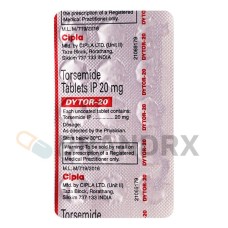
Products within the Torasemide category are primarily available in oral tablet form, providing ease of administration and consistent bioavailability. These tablets are usually manufactured in various strengths to cater to different patient needs and severity of conditions. Some manufacturers may also offer liquid formulations, which can be especially beneficial for individuals who have difficulty swallowing pills or for use in pediatric settings. The flexibility in dosage forms ensures that healthcare providers can tailor treatments to individual preferences and requirements, enhancing overall compliance and effectiveness.
In some regions, Torasemide may be available in injectable forms, though this is less common. These injectable solutions are typically reserved for more acute settings, such as hospital admissions where rapid diuresis is necessary. Regardless of the form, all products in the Torasemide category carry the same therapeutic potential and safety considerations, ensuring a consistent standard in treatment.
The Distinction Between Torasemide and Other Diuretics
When comparing Torasemide with other diuretic categories, such as thiazide and potassium-sparing diuretics, key differences emerge that underline its unique advantages. Torasemide is classified as a loop diuretic, which allows it to promote a greater degree of diuresis and electrolyte excretion compared to thiazides, particularly in cases of advanced renal dysfunction. Additionally, while potassium-sparing diuretics act to retain potassium in the body, Torasemide does not possess this property, making it essential for clinicians to monitor electrolyte balance closely in patients using this medication.
This distinction is particularly pertinent in managing patients with fluid overload conditions. The choice of diuretic should be made considering the underlying medical issues, and Torasemide is particularly effective in those situations where rapid fluid removal is crucial. Furthermore, its unique pharmacokinetic profile allows it to be suitable for patients who may not respond effectively to other diuretics, thereby making it a first-line choice in specific clinical scenarios.
Long-term Effects and Contraindications of Torasemide Products
The long-term use of Torasemide can lead to positive outcomes in managing chronic conditions characterized by fluid overload. However, like all medications, it is crucial for patients and healthcare providers to understand the full scope of implications associated with its use. The continuous administration of Torasemide has been shown to improve symptoms associated with heart failure, better manage fluid retention, and ultimately enhance quality of life in affected individuals.
Despite its benefits, there are specific contraindications to consider. Torasemide should generally be avoided in pregnant women unless the potential benefits outweigh the risks. Additionally, individuals with severe kidney impairment, certain metabolic disorders, or allergies to sulfonamides should refrain from using this medication. It is also important to monitor patients for potential electrolyte imbalances, particularly low potassium levels, as well as dehydration, which can arise with prolonged use. Therefore, regular check-ups and blood tests are advisable for those using Torasemide long-term.
Practical Advice for Using Torasemide Products
When considering the initiation of treatment with Torasemide, it is essential to consult a healthcare professional who can evaluate individual health needs and provide tailored recommendations. Patients should be educated about the importance of adhering to prescribed dosage and administration guidelines to achieve optimal results. It's beneficial to take medication at the same time each day to maintain consistent levels in the bloodstream, thereby enhancing diuretic efficacy.
To minimize potential side effects, patients are encouraged to maintain adequate hydration and monitor their weight regularly. This can help identify any sudden changes that may indicate fluid retention or loss. Additionally, individuals should discuss any other medications they are currently taking with their healthcare provider, as interactions can occur and may impact the effectiveness of Torasemide.
Overall, understanding the distinct properties and appropriate usage of products in the Torasemide category can significantly contribute to successful management of conditions necessitating diuresis. By following medical advice and maintaining open communication with healthcare providers, patients can optimize their treatment plans and achieve better health outcomes.