


 0
 0
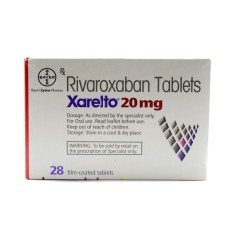 0
Rivaroxaban: A Comprehensive Overview of Anticoagulants
Rivaroxaban is an oral anticoagulant medication that plays a vital role in the prevention and treatment of various thromboembolic disorders. Belonging to a class known as direct factor Xa inhibitors, Rivaroxaban works by efficiently interrupting the blood coagulation process, making it an essential option for managing conditions like deep vein thrombosis (DVT) and pulmonary embolism (PE). It significantly reduces the risk of stroke and systematic embolism in patients with non-valvular atrial fibrillation, showcasing its importance in the field of cardiovascular health.
The primary advantage of Rivaroxaban is its ease of use and predictable pharmacokinetic profile, allowing healthcare providers to prescribe it without regular monitoring of the blood's coagulation levels, unlike traditional anticoagulants like warfarin. This feature empowers patients to maintain a better quality of life while managing their anticoagulation therapy.
Who Typically Uses Anticoagulants and in What Contexts?
The typical users of anticoagulants like Rivaroxaban include individuals who are at an elevated risk for thromboembolic events. Patients with non-valvular atrial fibrillation, recent orthopedic surgeries, or those with a history of venous thromboembolism are often prescribed Rivaroxaban for its efficacy in reducing the likelihood of blood clots. Healthcare providers may recommend this medication in both inpatient and outpatient settings for managing acute and chronic conditions associated with clot formation.
Additionally, Rivaroxaban is commonly utilized by geriatric patients who may have limited mobility or other health issues that increase their risk of DVT or PE. Its straightforward dosing regimen makes it an attractive first-line option in a multitude of clinical scenarios, helping to enhance patient compliance and overall therapeutic outcomes.
The Unique Strengths and Characteristics of Rivaroxaban
Rivaroxaban distinguishes itself from other anticoagulants through several key features that enhance its therapeutic appeal. One of Rivaroxaban's notable strengths is its rapid onset of action. In contrast to warfarin, which may require days to achieve therapeutic effects, Rivaroxaban provides prompt anticoagulation, making it a suitable choice for urgent interventions. Moreover, Rivaroxaban's oral bioavailability ensures that patients do not require injections, making it more convenient and preferred for at-home management.
Another important characteristic is its predictable pharmacology, which reduces the need for routine monitoring and allows for straightforward dosing adaptations. With FDA-approved indications covering a range of clinical scenarios, Rivaroxaban is a well-validated option among healthcare professionals managing anticoagulation therapy across diverse patient populations.
Key Benefits of Rivaroxaban
Rivaroxaban offers several notable advantages that contribute to its favorable standing in the anticoagulant arena. The following are key benefits that healthcare providers often consider:
- Oral administration allows for easy self-management by patients.
- Reduced need for frequent blood tests compared to warfarin enhances patient convenience.
- Rapid onset of action provides immediate protection against thromboembolic events.
- Effective in reducing the risk of stroke in patients with atrial fibrillation and preventing recurrence of DVT or PE.
- Broad range of approved indications makes it suitable for various clinical situations.
These benefits not only aid in maintaining patient compliance but also ensure that healthcare providers can deliver timely and effective interventions for managing blood coagulation issues.
Important Considerations Before Choosing Anticoagulants
While Rivaroxaban presents many advantages, there are essential considerations to discuss with healthcare professionals before initiating treatment. For instance, Rivaroxaban is contraindicated in individuals with active bleeding disorders, such as those with severe renal impairment or hepatic dysfunction. Additionally, patients taking concomitant medications that can increase bleeding risk should be assessed carefully to avoid serious drug interactions.
It is also crucial for healthcare providers to evaluate the patient's complete medical history, including any history of stroke or prior clots, before prescribing Rivaroxaban. While it offers significant benefits, understanding these important aspects can help optimize the selection of anticoagulant therapy, ensuring that patients receive the safest and most effective treatment tailored to their specific health needs.