


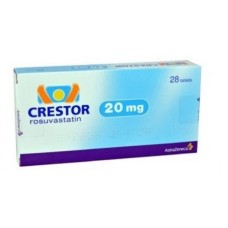
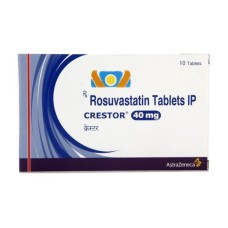
Understanding Rosuvastatin calcium and Its Uses
Rosuvastatin calcium is a widely prescribed medication that aims to help individuals manage cholesterol levels effectively. Typically, people using this medication wish to lower their low-density lipoprotein (LDL), commonly referred to as bad cholesterol. Many users also hope to reduce the risk of heart disease and stroke associated with high cholesterol levels. However, common misunderstandings about Rosuvastatin calcium often arise from the belief that it is a cure-all solution for cardiovascular issues, rather than a part of a comprehensive health strategy that includes diet, exercise, and regular health check-ups.
Users may also be confused about how quickly they will see results after beginning treatment. While some may expect immediate changes in their cholesterol levels, it is crucial to understand that Rosuvastatin calcium takes time to exhibit its full effects, and lifestyle choices remain significant in achieving desired health outcomes.
Internal Mechanisms of Rosuvastatin calcium
The medication works by inhibiting an enzyme in the liver known as HMG-CoA reductase, which plays a key role in cholesterol production. By blocking this enzyme, Rosuvastatin calcium reduces the overall amount of cholesterol produced by the liver, leading to a decrease in LDL cholesterol levels in the bloodstream. This mechanism helps improve the balance of cholesterol types, potentially raising high-density lipoprotein (HDL) cholesterol, often labeled as good cholesterol.
Moreover, the effectiveness of Rosuvastatin calcium can be influenced by various factors, including dosage, patient adherence to the therapy, and presence of other medical conditions. It is typically taken once a day, with or without food, and can be used in combination with other medications for patients with complex cholesterol management needs. Monitoring lipid levels through regular blood tests is essential to evaluate the medication's effectiveness and to make any necessary adjustments to the treatment plan.
Comparison to Related Medications and Treatment Categories
Rosuvastatin calcium is part of a larger category of statin medications that work similarly in lowering cholesterol levels. These medications share several principles regarding their mechanism of action and overall goals. Like Rosuvastatin calcium, other statins reduce the risk of cardiovascular disease by lowering LDL cholesterol. However, their potency, side effects, and the range of cholesterol levels they can effectively manage may differ.
In comparison to non-statin medications, such as fibrates or bile acid sequestrants, Rosuvastatin calcium may offer different advantages. Statins are often preferred when addressing high cholesterol due to their efficacy and well-researched long-term management of heart disease risk. While other treatments may be effective, they frequently focus on a specific aspect of lipids or are used in conjunction with statins rather than as standalone treatments.
Additionally, lifestyle modifications such as diet and physical activity play crucial roles in cholesterol management across all treatment categories. The integration of Rosuvastatin calcium with lifestyle changes can amplify its benefits, leading to more significant improvements in heart health.
Considerations for Use of Rosuvastatin calcium
It is essential to recognize the limitations and contraindications associated with Rosuvastatin calcium. Certain individuals may not be suitable candidates for this medication due to pre-existing conditions such as liver disease, or specific allergies to statins. Additionally, individuals with a history of muscle disorders may also need to tread cautiously. Side effects, while not experienced by everyone, can include muscle pain, liver enzyme elevations, and gastrointestinal discomfort. Consulting with a healthcare provider is crucial prior to starting treatment to discuss any potential risks and to ensure that Rosuvastatin calcium is appropriate for one’s individual health profile.
Furthermore, patients should inform their doctor about all medications and supplements they are currently taking. Drug interactions can occur with certain medications and supplements, which may increase the risk of side effects or reduce the efficacy of treatment. Regular follow-up appointments and blood tests are important to track the medication’s effects and make necessary adjustments for optimal health management.
Navigating Your Exploration of Rosuvastatin calcium
This category page offers valuable insights into Rosuvastatin calcium, ensuring that prospective users can make informed decisions regarding their health. When exploring this topic, it’s advisable to read about the medication’s mechanism of action, potential benefits, and the importance of lifestyle changes in conjunction with treatment. Users should also consider looking into patient testimonials and expert reviews to understand the diverse experiences surrounding this medication.
For those with existing health conditions or complex medication needs, engaging with medical professionals is strongly encouraged. Prioritizing a conversation with a healthcare provider will allow individuals to receive personalized information, further clarifying whether Rosuvastatin calcium is suitable for their circumstances. By approaching the exploration of Rosuvastatin calcium with comprehensive research and professional advice, users can maximize their understanding and overall health outcomes.