



 0
 0

 0


 0


 0
 0
 0
 0
 0
 0
 0
 0
 0
 0
 0

 0
 0
 0
 0
 0
 0
 0
 0
 0
 0
 0
 0
 0
 0
 0
 0
 0
 0
 0
 0
 0
 0
 0
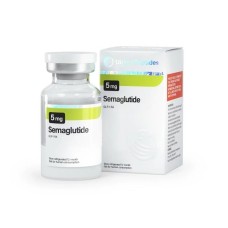
Understanding Semaglutide: A Comprehensive Overview
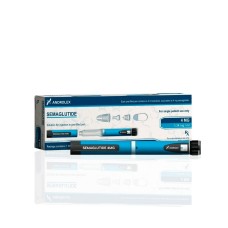
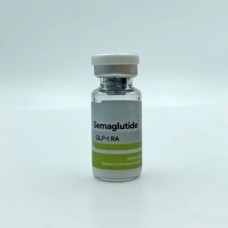
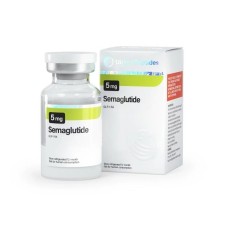
Semaglutide is a novel medication that has emerged as a vital treatment option for individuals dealing with type 2 diabetes and obesity. Developed as a glucagon-like peptide-1 (GLP-1) receptor agonist, it plays a crucial role in regulating blood sugar levels and promoting weight loss. The medication functions by enhancing insulin secretion in response to meals, reducing the amount of glucose produced by the liver, and slowing gastric emptying. This multifaceted approach not only helps patients manage their blood glucose levels more effectively but also contributes to significant weight reduction, making Semaglutide a dual-purpose pharmaceutical agent.
Key Users and Contexts for Use
Semaglutide is primarily utilized by individuals diagnosed with type 2 diabetes, particularly those who face challenges in achieving adequate glycemic control with standard treatments. It is also beneficial for individuals with obesity, especially those who have a body mass index (BMI) of 27 or greater and related health issues. Healthcare providers often consider Semaglutide for patients who are seeking weight management solutions alongside diabetes treatment. It is commonly prescribed in an outpatient setting where healthcare professionals can monitor progress, adjust dosages, and support patients in achieving their health goals. Furthermore, patients may start Semaglutide when lifestyle modifications alone, such as diet and exercise, prove insufficient for managing their conditions.
Strengths and Distinguishing Features of Semaglutide
Semaglutide stands out in the pharmaceutical landscape due to its unique mechanisms of action and clinical efficacy compared to other GLP-1 receptor agonists and weight-loss medications. One of its primary strengths is its potent ability to lower HbA1c levels, which is a key marker of long-term blood glucose control. Additionally, clinical trials have demonstrated that Semaglutide leads to greater weight loss results when contrasted with other treatments, making it an appealing choice for patients struggling with obesity. Unlike some alternatives, which may require multiple daily injections, Semaglutide is administered subcutaneously once a week, promoting patient adherence and ease of use. The drug’s comprehensive benefits also include cardiovascular risk reduction, making it a robust option for individuals at higher risk of heart disease due to diabetes or obesity.
Benefits of Semaglutide: A Balanced Overview
When considering Semaglutide as a treatment option, it is essential to understand the numerous benefits it offers to users. Here are some key advantages of Semaglutide:
- Effective blood sugar control: Semaglutide has been shown to significantly lower blood glucose levels in type 2 diabetes patients.
- Promotes weight loss: Many users experience substantial weight reduction, which can lead to improved overall health and a lower BMI.
- Long-acting formulation: Administered once weekly, Semaglutide is convenient and may improve medication adherence among users.
- Cardiovascular benefits: Clinical studies suggest that Semaglutide reduces the risk of major cardiovascular events in patients with type 2 diabetes.
- Improved quality of life: Achieving better blood sugar levels and weight management can enhance a patient’s overall well-being and lifestyle.
Important Considerations Before Choosing Semaglutide
Before initiating treatment with Semaglutide, it is crucial for patients to consult with their healthcare provider regarding potential contraindications and individual health considerations. Semaglutide is not suitable for everyone, particularly individuals with a personal or family history of medullary thyroid carcinoma or multiple endocrine neoplasia syndrome type 2. Additionally, patients with a history of severe gastrointestinal disease or those who are pregnant or breastfeeding should approach this medication with caution. It is essential to discuss all medications currently being taken, as potential drug interactions may also affect treatment efficacy and safety. Finally, regular follow-up appointments are necessary to monitor the patient's response to Semaglutide, adjust dosages as needed, and ensure overall safety throughout the treatment process.