


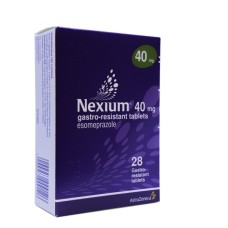
Esomeprazole: An Overview of the Category and Its Primary Uses
Esomeprazole is a highly effective medication categorized as a proton pump inhibitor (PPI). It primarily serves the purpose of reducing stomach acid production, thereby alleviating conditions related to excessive acidity. Commonly, it is prescribed for the treatment of gastroesophageal reflux disease (GERD), peptic ulcers, and Zollinger-Ellison syndrome, among other acid-related disorders. By inhibiting the proton pumps in the stomach lining, Esomeprazole helps to provide relief from symptoms such as heartburn, difficulty swallowing, and persistent cough caused by acid reflux.
This medication is often administered in the form of oral capsules or tablets, as well as intravenous formulations for those who may need immediate therapeutic intervention. Its accessibility and effectiveness make Esomeprazole a vital tool in managing gastric acid-related ailments, improving patient quality of life markedly.
Typical Users and Contexts for PPI Treatment
The typical users of Esomeprazole include adults suffering from chronic acid reflux, individuals with gastroesophageal complications, and patients requiring long-term management of peptic ulcers. This medication may also be prescribed following specific gastrointestinal surgeries to help ensure proper healing and prevent complications related to acid secretion.
Esomeprazole is commonly used in outpatient settings, where individuals may self-initiate therapy to control their symptoms. Healthcare providers in hospitals often rely on this medication for acute management of severe conditions, where rapid acid suppression is crucial. Therefore, the contexts in which this category is applied span from general practitioners' offices to specialized gastroenterology clinics and inpatient hospital units, showcasing its versatile utility in managing gastric acid issues.
Strengths of Esomeprazole Compared to Related Categories
One of the primary strengths of Esomeprazole lies in its formulation, which allows it to provide a longer duration of action compared to some other PPIs. This can lead to more consistent symptom control for patients, minimizing breakthrough symptoms that may occur with shorter-acting alternatives.
Moreover, Esomeprazole is known to have a superior profile when it comes to efficacy and safety in long-term use. Research suggests that it is less likely to interact with other medications, making it a preferable choice for patients taking multiple prescriptions. Additionally, its ability to provide effective acid suppression can facilitate healing of the esophagus in patients with erosive esophagitis, thus distinguishing it from over-the-counter alternatives that may not offer the same level of therapeutic benefits.
The Benefits of Esomeprazole: A Comprehensive Overview
Choosing Esomeprazole for managing acid-related conditions comes with several key advantages:
- Effective acid control: Esomeprazole significantly reduces gastric acid secretion, providing relief from symptoms of gastroesophageal reflux and ulcers.
- Long-lasting relief: The medication's prolonged action allows for less frequent dosing, often resulting in improved adherence to therapy.
- Fewer drug interactions: Its lower potential for interactions makes Esomeprazole a safer option for patients on multiple medications.
- Promotes healing: Esomeprazole is particularly effective in facilitating the healing of erosive esophagitis and associated conditions.
- Improves quality of life: By managing acid-related symptoms effectively, Esomeprazole allows patients to engage more fully in daily activities without discomfort.
Important Considerations Before Choosing Esomeprazole Products
While Esomeprazole offers significant benefits, there are several important considerations to keep in mind before initiating treatment. For instance, individuals with known allergies to Esomeprazole or other PPIs should avoid its use. Furthermore, pregnant or breastfeeding women should consult healthcare providers to evaluate risks versus benefits, as insufficient data exists regarding its safety during these periods.
Patients with specific health conditions, such as liver disease or chronic kidney disease, should also be closely monitored while using Esomeprazole, as dose adjustments may be necessary. Additionally, long-term use of PPIs has been associated with potential risks, such as increased susceptibility to gastrointestinal infections and nutrient malabsorption. It is crucial for individuals to discuss their complete medical history with healthcare providers to ensure safe and effective management of their acid-related conditions. Engaging in annual evaluations can help assess the ongoing need for therapy and evaluate any side effects.