


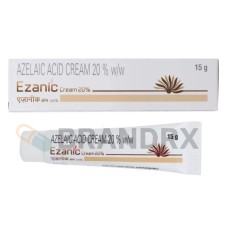
Understanding Azelaic Acid and Its Common Benefits
Azelaic Acid is a powerful skincare ingredient that holds a prominent place in the world of dermatology and cosmetic formulations. All products in the Azelaic Acid category share a common foundation; they are designed to address a variety of skin imperfections, including acne, rosacea, and hyperpigmentation. The unique properties of Azelaic Acid make it not only effective but also suitable for a wide range of skin types, including sensitive skin. Harnessing its anti-inflammatory, antibacterial, and keratolytic properties, these products help reduce redness, diminish the appearance of blemishes, and promote a more even skin tone.
Additionally, Azelaic Acid works at a cellular level to inhibit the growth of bacteria that contribute to acne while accelerating cell turnover to prevent the formation of clogged pores. As a result, users can benefit from clearer skin and improved texture, setting a clear path toward a brighter and healthier complexion.
Exploring Forms and Types of Azelaic Acid Products
The Azelaic Acid category features a variety of product forms, catering to different preferences and skincare routines. Users can find Azelaic Acid in creams, gels, serums, and foams, providing flexibility depending on individual skin needs and desired application methods. Creams and gels tend to be more hydrating and are ideal for those with dry skin, while serums offer a lightweight texture that can penetrate deeper layers and deliver concentrated benefits.
Another key aspect is the concentration of Azelaic Acid found in these products, which can range from 10% to 20%. The appropriate concentration often depends on the specific skin issues being targeted. For beginners or those with sensitive skin, starting with a lower concentration may be advisable. Each type of formulation is crafted to facilitate optimum absorption and effectiveness, making them suitable for various skincare routines.
Why Choose Azelaic Acid Over Other Treatments?
What sets Azelaic Acid apart from other skincare products is its multifunctional benefits and its ability to effectively treat a myriad of skin concerns without causing significant irritation. Unlike traditional acne treatments that often rely on harsh ingredients such as benzoyl peroxide or salicylic acid, Azelaic Acid offers a gentle yet robust solution. This makes it particularly advantageous for people who have hypersensitivity or are prone to adverse reactions from harsher treatments.
Moreover, Azelaic Acid is unique in its ability to address melasma and post-inflammatory hyperpigmentation, conditions that can arise following acne flare-ups. Its effectiveness in tackling these skin issues while promoting an even skin tone makes it a valuable addition to any skincare arsenal.
Long-Term Effects and Considerations
Using products from the Azelaic Acid category can yield significant long-term improvements in skin texture, tone, and overall clarity. Regular application may help decrease the frequency and severity of acne breakouts while promoting a reduction in hyperpigmented areas. Users often find that consistent use leads to a more radiant complexion and even skin tone.
However, it is essential to approach these products with caution. While Azelaic Acid is generally well-tolerated, certain individuals may experience mild side effects like dryness or irritation, especially when first introduced into their routine. It is particularly important for pregnant women or those with specific health conditions to consult a healthcare professional before incorporating Azelaic Acid into their regimen. This ensures that there are no contraindications that could negatively affect their skin health or overall well-being.
Tips for Choosing and Using Azelaic Acid Products
To maximize the benefits of products in the Azelaic Acid category, users should consider certain practical tips when selecting and incorporating these products into their skincare routines. First and foremost, it's advisable to choose a product based on individual skin type and concerns. For example, those with oily skin might prefer a gel formulation, while individuals with dry skin could benefit more from a cream.
Additionally, it is essential to start slow. If you're new to Azelaic Acid, begin with lower concentrations and gradually increase as your skin builds tolerance. Applying the product consistently, ideally on clean skin, will yield the best results over time. Regularly using sunscreen during the day is also crucial, as products containing Azelaic Acid can make the skin more sensitive to sunlight.
In conclusion, Azelaic Acid presents a valuable option for individuals looking to enhance their skincare routine and address various skin concerns effectively. With its multitude of benefits, adapting to this ingredient can lead to transformative results when used thoughtfully and consistently.