


 0

 0
 0
 0
 0
 0
 0
 0
 0
 0
 0
 1
 0
 1
 0
 1
 0
 0
 0
 0
 0
 0
 0
 0
 0
 0
 0
 0
 0
 0
 0
 0
 0
 0
 0
 0
 0
 0
 0
 0
 0
 0
 0
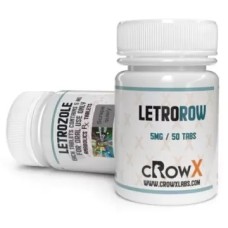
What is Letrozole?
Letrozole is a medication classified as an aromatase inhibitor, primarily used in the treatment of hormone receptor-positive breast cancer in postmenopausal women. By inhibiting the aromatase enzyme, Letrozole effectively reduces the levels of estrogen in the body, which is essential in certain types of breast cancer that rely on estrogen to grow and spread. This makes Letrozole a critical option in endocrine therapy, particularly for patients looking to manage their breast cancer diagnosis more effectively.
The main task that Letrozole addresses is the suppression of estrogen production, making it an effective treatment choice for appropriate candidates. By lowering estrogen levels, this medication helps to slow or stop the growth of tumors that depend on this hormone. Its role in therapy highlights the importance of hormone regulation in addressing specific cancer types, particularly in individuals who have already transitioned into menopause.
Target Audience and Context of Use
Letrozole is primarily prescribed for postmenopausal women diagnosed with Early Breast Cancer (EBC) or Advanced Breast Cancer (ABC). It is particularly relevant for patients whose cancer has been determined to be hormone receptor-positive, as these tumors are more likely to respond to therapies that lower estrogen levels in the body. The use of Letrozole is a vital part of adjuvant therapy, which aims to reduce the risk of cancer recurrence after surgery and other treatments.
It is important to consult a doctor or a specialist before starting Letrozole. A healthcare provider will assess the individual's medical history, current health condition, and specific cancer characteristics to determine if Letrozole is an appropriate option. Contraindications for the use of Letrozole include pregnant women, as it can harm the fetus, and individuals who are hypersensitive to any components of the medication. Additionally, children should not use Letrozole, as it is intended solely for adult usage.
Key Benefits of Letrozole
Letrozole offers several key benefits, particularly for postmenopausal women managing hormone receptor-positive breast cancer. Through the reduction of estrogen levels, it is highly effective in slowing tumor growth and decreasing the likelihood of cancer recurrence. The use of Letrozole as a part of a comprehensive cancer treatment plan can be immensely beneficial for specific groups of individuals.
- Effective in reducing estrogen levels, thereby controlling hormone receptor-positive breast cancer.
- Recommended for postmenopausal women, providing targeted support in breast cancer treatment.
- Potentially minimizes the risk of cancer recurrence after initial treatment.
- Offers an alternative option for patients who may not tolerate other hormonal therapies.
- Supported by extensive clinical studies demonstrating its efficacy and safety.
Understanding the need for individual assessment and treatment planning is critical, as every patient's situation is unique. Therefore, the benefits experienced can vary based on individual health conditions and cancer characteristics.
Core Value of Letrozole Products
The core value of Letrozole centers around its targeted approach to hormone-related cancers. It provides a strategic tool for oncologists and healthcare professionals, aiding in the significant reduction of estrogen levels and thereby slowing the growth of hormone-sensitive tumors. The medication not only empowers patients to take charge of their treatment journey but also enhances their overall quality of life during a challenging time.
In addition, Letrozole's use in adjuvant settings contributes to improving long-term outcomes for many women, emphasizing its role as a cornerstone medication in the treatment of breast cancer. As ongoing research continues to unfold the complexities of breast cancer treatment, Letrozole remains an essential option for many, ensuring that patients have access to therapies that are specifically designed to meet their needs.
In conclusion, Letrozole stands out as a pivotal medication in the fight against hormone receptor-positive breast cancer. Its clear benefits in managing estrogen levels and contributing to improved patient outcomes make it a critical element in many treatment strategies. Always consult with a healthcare provider to determine the best course of action tailored to individual health needs and cancer treatment goals.