


 0
 0


 0
 0
 0

Key features of Hypolipidemic drugs and its advantages
Hypolipidemic drugs are a specialized class of medications designed to manage and lower lipid levels in the bloodstream, specifically targeting cholesterol and triglycerides. These drugs play a crucial role in preventing and treating cardiovascular diseases by effectively controlling hyperlipidemia, a condition characterized by elevated fat levels in the blood. The common thread that unites all products within this category is their ability to modify lipid metabolism, thus promoting overall cardiovascular health.
Unlike traditional medications that may focus solely on a single aspect of lipid management, Hypolipidemic drugs employ various mechanisms to deliver comprehensive treatment options. Most notably, these medications can lower low-density lipoprotein (LDL) cholesterol, raise high-density lipoprotein (HDL) cholesterol, or reduce triglycerides. Each type carries advantages, such as improved heart health and decreased risk of cholesterol-related conditions, making them essential components in modern therapeutic strategies for managing lipid profiles.
Pharmacological properties and mechanism of action
The pharmacological characteristics of Hypolipidemic drugs can vary considerably based on their specific class. Commonly, these medications come in oral forms, including tablets and capsules, which allow for easy administration and dosage adjustment. Some products may also be available as injections, which can provide prompt effects. Key types of Hypolipidemic drugs include statins, fibrates, bile acid sequestrants, and PCSK9 inhibitors, each differing fundamentally in their mechanism of action.
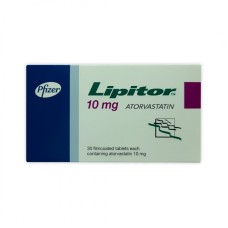
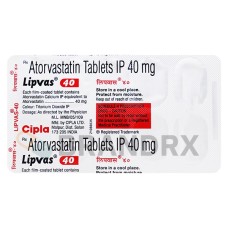
Statins, for example, work by inhibiting HMG-CoA reductase, an enzyme crucial for cholesterol synthesis in the liver, leading to a reduction in circulating levels of LDL cholesterol. Fibrates, on the other hand, primarily lower triglyceride levels and increase HDL cholesterol through activation of peroxisome proliferator-activated receptors (PPARs). Bile acid sequestrants reduce cholesterol absorption in the intestines. Meanwhile, PCSK9 inhibitors target the PCSK9 protein, enhancing the liver's ability to remove LDL cholesterol from the bloodstream. By understanding these mechanisms, users can glean insight into the expected actions and overall function of Hypolipidemic drugs.
Indications for the use of Hypolipidemic drugs
This class of drugs is primarily indicated for individuals diagnosed with hyperlipidemia, which often warrants medical intervention to mitigate the risk of heart disease and stroke. However, the differences in drug types allow for tailored therapeutics depending on a patient's specific lipid profile and cardiovascular risk. Hypolipidemic drugs stand out from other solutions, such as lifestyle changes or dietary modifications, due to their potent pharmacological interventions that directly act on lipid levels.
Healthcare professionals recommend these drugs for patients with elevated cholesterol levels, particularly those who have not achieved sufficient improvements through lifestyle adjustments alone. Furthermore, individuals with genetic predispositions to high cholesterol, such as familial hypercholesterolemia, may also be advised to use these medications to maintain lipid balance. As such, the indication for use largely hinges upon the severity and particular characteristics of one’s lipid abnormalities, making these drugs crucial for effective management and risk reduction.
Impact on training results
The long-term benefits of using Hypolipidemic drugs extend beyond merely controlling cholesterol levels; they can contribute positively to overall training outcomes and fitness results. By optimizing lipid management, individuals may experience enhanced energy levels and better physical performance, especially in endurance activities. However, it is essential to consider contraindications when recommending these drugs. Certain groups, including pregnant women, children, or individuals with specific liver conditions, may not be suitable candidates for Hypolipidemic therapies and should consult healthcare professionals for personalized advice.
Moreover, long-term use of these medications must be continuously monitored to assess efficacy and safety. Regular check-ups can help ensure that any adjustments are made in a timely manner, thereby maximizing their potential benefits without jeopardizing health.
Order online in the USA
For those interested in exploring the available options of Hypolipidemic drugs, ordering online in the USA has become increasingly convenient. Potential users should start by researching reputable online pharmacies and platforms that offer a range of products in this category. It is crucial to ensure that the chosen supplier is licensed and follows regulatory standards for pharmaceutical dispensation.
Before making any purchases, users should consult their healthcare provider to confirm the appropriate medication based on their specific health conditions and lipid levels. Once satisfied, online platforms typically provide the ability to review detailed product descriptions, dosage options, and pricing, allowing individuals to make informed decisions regarding their treatment options.
Possible side effects and ways to minimize them
While Hypolipidemic drugs offer significant benefits for managing lipid levels, users should be aware of potential side effects. Common adverse reactions may include gastrointestinal issues, muscle pain or weakness, and liver function alterations. It is vital for users to maintain open lines of communication with their healthcare provider to monitor for any unusual symptoms and discuss them promptly.
To minimize the risks associated with Hypolipidemic drugs, responsible usage principles should always be adhered to. Patients are encouraged to follow prescribed dosages, maintain regular follow-ups for health assessments, and report any side effects to their healthcare provider. Moreover, adopting a holistic approach that combines medication with lifestyle modifications—such as a heart-healthy diet and regular exercise—can enhance the effectiveness of treatment while minimizing side effects. By prioritizing safety and informed use, individuals can effectively manage their lipid levels and support their overall well-being.