


 0
 0
 0
 0
 0
 0
 0
 0
 0
 0
 1
Cytomel: An Overview of a Thyroid Medication
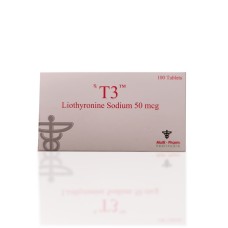
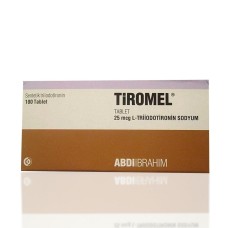
Cytomel, the brand name for liothyronine sodium, serves a crucial role in the treatment of thyroid hormone deficiencies. It is primarily prescribed for patients suffering from hypothyroidism, a condition where the thyroid gland does not produce enough hormones to regulate metabolism effectively. By supplementing the body with synthetic thyroid hormone, Cytomel helps to restore normal metabolic function, energy levels, and overall well-being. This medication plays a pivotal role in balancing the body's hormonal environment, thereby influencing various physiological processes, including temperature regulation, heart rate, and weight management. Physicians often recommend Cytomel when patients exhibit an inadequate response to other thyroid medications or during particular thyroid conditions such as myxedema coma or thyroiditis.
Typical Users and Contexts for Application
The primary users of Cytomel include adults diagnosed with hypothyroidism, especially those who have not found adequate relief from levothyroxine, another common thyroid hormone replacement therapy. In particular, individuals who have undergone thyroid surgery or those whose thyroid glands have been affected by radiation therapy may also require treatment with Cytomel. Additionally, those with certain types of goiter or thyroid cancer could be candidates for this medication as part of their comprehensive treatment regimen. The settings for its use vary from outpatient clinics to inpatient hospital environments, particularly in emergency situations like severe thyroid hormone deficiency.
The Strengths and Distinguishing Characteristics of Cytomel
Cytomel stands out in the realm of thyroid medications for several reasons. One of its most notable strengths is its rapid onset of action, which can be critical for patients needing immediate hormonal support. Unlike levothyroxine, which is a synthetic form of thyroxine (T4) that the body must convert to the active form (T3), Cytomel provides T3 directly. This can be especially beneficial for patients who have difficulty converting T4 to T3 due to various health conditions. Furthermore, Cytomel may offer more immediate relief of symptoms such as fatigue, depression, and weight gain, often within a short duration of beginning treatment. This characteristic makes it an effective option for those experiencing acute hypothyroid symptoms. Moreover, Cytomel's flexible dosing schedule allows healthcare providers to tailor treatment according to individual needs, enhancing its applicability in a broader range of hypothyroid conditions.
Benefits of Cytomel
- Rapid Symptom Relief: Patients can often experience significant improvements in symptoms of hypothyroidism, such as fatigue and depression, quickly after starting treatment.
- Direct T3 Supplementation: Cytomel delivers T3 hormone directly, bypassing the conversion process required with T4 medications, which can lead to better outcomes for certain patients.
- Customizable Dosing: The medication allows for individualized dosing, enabling healthcare providers to optimize treatment plans for each patient’s unique needs.
- Support for Specific Conditions: Cytomel is particularly useful for patients with conditions affecting thyroid hormone metabolism, such as certain types of thyroiditis and goiter.
- Emergency Use: In cases of myxedema coma or severe hypothyroid symptoms, the rapid action of Cytomel can be life-saving, offering essential hormonal support.
Important Considerations Before Choosing Cytomel
Although Cytomel has many benefits, there are important considerations and potential contraindications to weigh before starting treatment. Patients with heart problems, particularly those with coronary artery disease or arrhythmias, should exercise caution, as the medication can increase heart rate and metabolic demand. Moreover, individuals with adrenal insufficiency must be evaluated and treated appropriately before initiating Cytomel, as it can exacerbate adrenal insufficiency if given without concurrent glucocorticoid therapy. Pregnant and breastfeeding women should consult with their healthcare providers, as hormonal needs can change during these times, and potential risks must be carefully assessed. Lastly, regular monitoring of thyroid hormone levels and potential side effects is essential for any patient on Cytomel to ensure safe and effective treatment.