


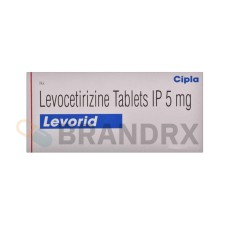
Understanding Levocetirizine: Unifying Features and Mechanisms
Levocetirizine is an antihistamine widely recognized for its potency in alleviating allergy symptoms. The products within this category primarily function by blocking the action of histamine, a substance in the body that leads to allergic reactions. This blocking action provides relief from symptoms such as itchy eyes, runny nose, sneezing, and skin rash. Levocetirizine is specifically effective for conditions such as seasonal allergic rhinitis and chronic urticaria, making it a popular choice among those suffering from various allergic reactions.
One of the key features that unites all Levocetirizine-based products is their rapid onset of action. Users often experience relief within an hour of intake, with effects lasting up to 24 hours. Additionally, Levocetirizine is less sedative than first-generation antihistamines, making it an appealing option for individuals needing to avoid drowsiness while managing their allergy symptoms. The products are also known for their favorable safety profile, allowing for long-term use in many patients without significant side effects.
Forms and Types of Levocetirizine Products
Levocetirizine products mainly come in various forms, providing flexibility in how users can consume them. The most common types include tablets and oral solutions. Tablets are typically preferred due to their convenience and portability, making them easy to take at home or on the go. Oral solutions offer an alternative for those who may have difficulty swallowing pills, such as children or the elderly.
Both forms contain the same active ingredient, ensuring that the therapeutic effects remain consistent regardless of administration method. Additionally, some formulations may be available in different strengths, catering to varying severities of allergic reactions or individual needs. This diversity allows users to choose the product that best fits their lifestyle and preferences.
Distinct Benefits of Levocetirizine Over Other Allergy Medications
Levocetirizine stands out among allergy medications due to its unique formulation and effectiveness. Unlike many over-the-counter antihistamines, Levocetirizine specifically targets the H1 receptors in the body, reducing both peripheral and central nervous system side effects. This attribute makes it busy for individuals who require optimal management of their allergy symptoms with minimal drowsiness. Many other allergy medications may only treat mild symptoms or may cause fatigue, leading users to seek alternatives.
Moreover, Levocetirizine offers a more sustained response due to its longer half-life, allowing for once-daily dosing. This aspect is particularly beneficial for those who struggle with remembering multiple doses throughout the day. Users should consider Levocetirizine not only for its effective symptom relief but also for its ability to provide a convenient and manageable regimen in their fight against allergies.
Long-Term Effects and Cautions on Levocetirizine Usage
While Levocetirizine generally boasts a favorable safety profile, it is essential to understand potential long-term effects and contraindications. Users who take Levocetirizine regularly may experience ongoing symptom relief, contributing to an improved quality of life. However, it is crucial to note that, like any medication, there are potential contraindications. Pregnant or breastfeeding women are advised to consult healthcare professionals before starting Levocetirizine to ensure safety for them and their infants.
Furthermore, individuals with severe renal impairment should use this medication cautiously, as impaired kidney function can increase the risk of side effects. Children may also need dosing adjustments, and it is advisable to consult a pediatrician for guidance. Being aware of these considerations can help users make informed decisions about their allergy management.
Practical Advice for Choosing Levocetirizine Products
When considering products in the Levocetirizine category, it is important to evaluate individual needs and preferences. Start by assessing the severity of your allergy symptoms; mild symptoms may only require a standard dose of the oral form, while more severe cases might benefit from higher doses or different formulations. Additionally, consult a healthcare provider to determine the most suitable option, especially if you have pre-existing medical conditions.
Once you begin using Levocetirizine, adhering to the recommended dosage is crucial. Be mindful of potential interactions with other medications and avoid combining it with other sedatives, which can exacerbate drowsiness. Lastly, monitor your symptoms regularly and communicate with your healthcare provider about any changes or side effects you experience. This proactive approach will ensure optimal management of your allergy symptoms and enhance your overall treatment experience with Levocetirizine.