


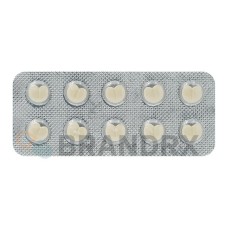
Understanding the Bisoprolol Category
The Bisoprolol category encompasses a range of medications primarily classified as selective beta-1 adrenergic blocking agents, commonly referred to as beta-blockers. This category is pivotal in the management of various cardiovascular conditions, particularly hypertension and heart failure. Bisoprolol, in particular, is extensively used in clinical settings due to its effectiveness in lowering blood pressure and improving heart function. As part of the pharmacological landscape, Bisoprolol plays a crucial role in enhancing patient quality of life for those suffering from heart-related issues. Its mechanism of action involves selectively inhibiting beta-1 receptors in the heart, which leads to a decrease in heart rate and contractility, thus reducing myocardial oxygen demand. This quality makes it a cornerstone in the therapeutic arsenal for managing cardiovascular diseases.
Key Characteristics and Fundamental Principles
Products within the Bisoprolol category share several key characteristics and principles that define their use and application. For healthcare providers and patients, understanding these features helps ensure effective and safe treatment outcomes. Notably, Bisoprolol is characterized by:
- Cardioselectivity: Targeting primarily the heart, thus minimizing effects on other systems.
- Duration of Action: Extended half-life allowing for once-daily dosing, enhancing patient compliance.
- Effectiveness: Proven efficacy in reducing morbidity and mortality in heart failure patients.
- Minimal Side Effects: Generally well-tolerated with a lower incidence of adverse effects compared to non-selective beta-blockers.
However, it is crucial to recognize contraindications and situations where Bisoprolol may not be suitable. These include:
- Patients with severe asthma or chronic obstructive pulmonary disease (COPD), as beta-blockers can exacerbate bronchoconstriction.
- Individuals with specific heart block conditions (e.g., second or third-degree AV block) without a pacemaker.
- Patients with severe bradycardia (slow heart rate) that may worsen with beta-blocker therapy.
- Those who have demonstrated hypersensitivity to Bisoprolol or any of its components.
- Pregnant or breastfeeding women should exercise caution and consult healthcare professionals, as the effects on the fetus or infant are not fully understood.
- Children under the age of 18, for whom safety and efficacy have not been firmly established.
Modern Trends and Development in the Bisoprolol Category
The marketplace for Bisoprolol and similar beta-blocker medications is experiencing noteworthy evolution due to advancing medical research and shifting paradigms in cardiovascular care. Recent trends include a growing emphasis on personalized medicine, where treatments are tailored based on individual patient characteristics such as genetic factors, age, and comorbidities. Furthermore, recent studies focusing on the long-term benefits of Bisoprolol in heart failure management continue to shape prescribing patterns, leading to its increased acceptance among healthcare professionals. Efforts are also underway to develop more formulations with improved pharmacokinetics or added synergistic properties that can further enhance therapeutic outcomes. The increasing awareness of cardiovascular health and preventive care is driving demand for such agents, making the Bisoprolol category a focal point in contemporary heart health interventions.
The Place of the Bisoprolol Category in Its Niche
In summary, the Bisoprolol category occupies a significant and specialized niche within the broader framework of cardiovascular pharmacotherapy. Recognized for its unique properties and benefits, Bisoprolol stands out as a leading choice in the management of hypertension and heart failure. Its role extends beyond mere symptom management, as it plays an essential part in comprehensive cardiovascular risk reduction strategies. For healthcare providers and patients alike, understanding this category not only informs treatment decisions but also underscores the importance of ongoing monitoring and lifestyle modifications in managing heart health. The Bisoprolol category represents a vital combination of efficacy, safety, and patient-centered care, proving essential in the modern therapeutic landscape.