


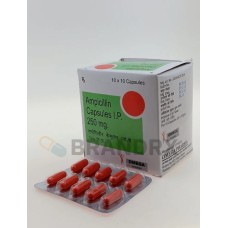

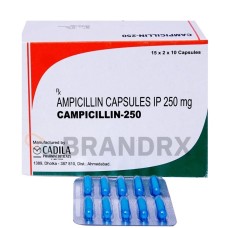

Ampicillin: Overview and Definition
Ampicillin is a broad-spectrum penicillin antibiotic that is widely used in the treatment of bacterial infections. It belongs to the beta-lactam class of antibiotics, which work by inhibiting the synthesis of bacterial cell walls, ultimately leading to the destruction of the bacteria. This makes Ampicillin effective against a variety of gram-positive and some gram-negative bacteria. The primary purpose of Ampicillin is to treat infections, such as respiratory tract infections, urinary tract infections, meningitis, and other serious infections caused by susceptible organisms. It is essential for individuals to understand that while antibiotics like Ampicillin effectively combat bacterial infections, they do not work against viral infections, such as the common cold or flu. Consequently, the use of Ampicillin should be based on medical necessity, guided by a healthcare professional.
Target Audience and Typical Context of Use
The Ampicillin category is primarily intended for individuals suffering from bacterial infections that require prompt and effective treatment. It is frequently prescribed in a hospital setting, particularly for patients with severe infections, as well as in outpatient scenarios where monitored care is needed. The typical audience includes adults and children diagnosed with infections that are known to be responsive to Ampicillin. Health professionals, including doctors and specialists, often prescribe this antibiotic based on the specific bacterial strain and patient health history.
It is crucial to consult a qualified healthcare provider before starting treatment with Ampicillin, as they can assess the suitability of this antibiotic for each individual's condition. Certain groups may be advised against using Ampicillin. For instance, pregnant women, individuals with a history of allergies to penicillin, or those with specific medical conditions, such as liver or kidney issues, should carefully consider their options under professional guidance to avoid potential adverse reactions. Young children may also need dosage adjustments to ensure both safety and efficacy.
Ampicillin: Key Benefits and User Groups
Products in the Ampicillin category offer several advantages that cater to diverse user needs, particularly for those dealing with acute bacterial infections. These benefits ensure that patients receive the appropriate level of care and mitigate the risk of complications arising from untreated infections. Below is a list of key benefits associated with Ampicillin:
- Effective against a broad spectrum of bacteria, making it highly versatile in infection treatment.
- Rapid onset of action, providing relief and combating infections quickly when administered properly.
- Generally well-tolerated by most patients, with manageable side effects.
- Wide availability in various forms, including oral and injectable types, catering to different medical needs.
- Cost-effective treatment option compared to some other antibiotics, making it accessible to a larger patient base.
These benefits highlight Ampicillin's crucial role in managing bacterial infections, serving diverse populations including adults and children, as well as various health care settings. As with any medication, it is essential to follow prescribed instructions and guidance from healthcare professionals for safe and effective treatment.
Overall Value and Benefits of Ampicillin Products
The overall value provided by products in the Ampicillin category extends beyond their primary function of infection treatment. By effectively managing bacterial infections, they help reduce the risk of complications and hospitalizations, which can have significant health benefits for patients. Additionally, treating infections promptly with effective antibiotics like Ampicillin can support quicker recovery times, reducing the burden on healthcare systems. This antibiotic plays a vital role in restoring health by alleviating symptoms and controlling the infection's progression. Furthermore, its broad-spectrum activity ensures that it remains a relevant and essential option in antibiotic therapy. Users should continue to consult with healthcare professionals to maximize the benefits of treatment while minimizing risks associated with antibiotic use. Ultimately, the successful incorporation of Ampicillin into treatment regimens can contribute to improved health outcomes and overall well-being for patients dealing with bacterial infections.