


 0
 0
 0
 0
 0
 0
 0
 0
 0
 0
 0
 0
 0
 0
 0
 0
 0
 0
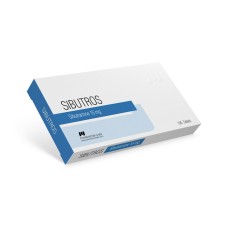
Sibutramine: Understanding the Weight Loss Medication Category
Sibutramine is a weight management medication designed to aid in the treatment of obesity. Primarily, it works by increasing the levels of certain neurotransmitters in the brain, specifically norepinephrine, serotonin, and dopamine. This process helps control appetite and enhance feelings of fullness, which can contribute to significant weight loss when combined with a healthy diet and exercise regimen. By assisting with both appetite suppression and increased energy expenditure, Sibutramine is viewed as a potential option for individuals struggling with obesity or those who find it difficult to lose weight through conventional methods alone. It is essential to note that Sibutramine was previously available in many countries, including the United States, although its usage has been heavily regulated due to safety concerns over cardiovascular risks.
Typical Users and Contexts for Weight Management
The typical users of weight management medications like Sibutramine are individuals classified as overweight or obese, often determined by their Body Mass Index (BMI). This includes adults who have not had success through traditional weight loss strategies such as calorie-controlled diets and increased physical activity. Contextually, Sibutramine is often considered by those with a BMI of 30 or higher, or those with a BMI of 27 or higher who present weight-related comorbidities, such as type 2 diabetes or hypertension. These individuals typically seek medical advice to explore pharmaceutical options after significant lifestyle changes have not yielded the desired weight loss results. With a growing awareness of obesity's associated health risks, more users are looking into medically supervised weight loss programs that may include the use of Sibutramine as part of a comprehensive treatment approach.
The Distinguishing Characteristics of Sibutramine
Sibutramine sets itself apart from other weight management medications due to its unique mechanism of action and its historical context in weight loss treatment. Unlike many alternatives that may work solely to suppress appetite, Sibutramine additionally enhances energy expenditure, which provides a dual approach to weight management. Furthermore, it has been compared to other medications like orlistat, which primarily focuses on reducing fat absorption. While orlistat may lead to gastrointestinal side effects, Sibutramine's effects occur primarily within the brain's neurotransmitter pathways, which may offer a different side effect profile. However, it is essential to emphasize that Sibutramine has been withdrawn from many markets due to serious cardiovascular risks identified in clinical studies, highlighting the importance of discussing the safety profile and regulatory status of such medications with healthcare providers.
Key Benefits of Sibutramine
When considering weight management options, it is important to assess the potential advantages of using Sibutramine. Below is a list of key benefits that were associated with Sibutramine before its withdrawal in many markets:
- Effective Appetite Suppression: Sibutramine helps users manage their hunger and cravings, potentially leading to reduced caloric intake.
- Enhanced Weight Loss: Clinical trials indicated that users of Sibutramine could achieve greater weight loss compared to those using placebo treatments.
- Increased Energy Levels: By boosting norepinephrine, Sibutramine may increase physical activity levels among users, contributing to further weight loss.
- Improved Metabolic Rate: Sibutramine has been shown to have a positive effect on metabolic processes in the body, aiding in weight maintenance.
- Support for Lifestyle Changes: By assisting users in managing their weight more effectively, Sibutramine may provide the motivation needed to maintain a healthier lifestyle.
Important Considerations Before Choosing Sibutramine
While Sibutramine has been noted for its potential benefits, there are significant considerations that potential users should reflect upon prior to choosing this medication. First and foremost, it is essential to consult with a healthcare professional to discuss personal medical history, as Sibutramine is contraindicated for individuals with a history of cardiovascular disease, uncontrolled hypertension, or those taking certain medications that may interact negatively with Sibutramine. Additionally, it's crucial to be aware of the side effects, which can include elevated heart rate and blood pressure, as well as the potential for mood changes. Understanding these implications will help users make informed decisions regarding the use of Sibutramine in their weight management strategies. Finally, users must be aware that once considered a viable option for combating obesity, the safety concerns linked to Sibutramine have led to increased scrutiny and regulation, necessitating a thorough risk-benefit analysis before considering any usage or purchase of products containing this ingredient.