


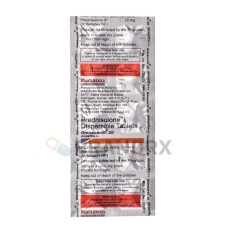


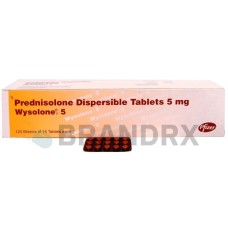
Prednisolone: A Comprehensive Overview
Prednisolone is a synthetic glucocorticoid medication commonly used to treat a variety of inflammatory and autoimmune conditions. As a corticosteroid, it mimics the effects of hormones produced by the adrenal glands, helping to regulate immune responses and reduce inflammation. This versatile medication plays a crucial role in managing diseases such as asthma, arthritis, allergies, and certain skin conditions. It is also employed in the treatment of specific types of cancer, making it an essential tool in modern medicine. With its anti-inflammatory and immunosuppressive properties, Prednisolone can help patients achieve better health outcomes and improve their overall quality of life.
Typical Users and Contexts for Prednisolone
Prednisolone is typically prescribed to a variety of patients, each with different medical needs. Common users include individuals suffering from chronic conditions like rheumatoid arthritis or lupus, where long-term management of inflammation is essential. Patients with acute exacerbations of asthma or chronic obstructive pulmonary disease (COPD) may also utilize this medication during flare-ups to facilitate recovery. Furthermore, Prednisolone can be beneficial in contexts such as post-surgical recovery, where inflammation needs to be managed effectively. It is essential for both pediatric and adult populations, and healthcare providers carefully consider the patient's specific circumstances when determining whether Prednisolone is an appropriate treatment option.
Strengths and Distinguishing Characteristics of Prednisolone
Prednisolone stands out among other similar corticosteroids due to its unique pharmacological properties and favorable safety profile. Some key strengths include its rapid onset of action, which allows for quick relief from symptoms of inflammation. Additionally, Prednisolone offers a balanced potency and bioavailability that make it an effective choice for various conditions. Unlike other corticosteroids, Prednisolone comes in numerous forms, including tablets, oral solutions, and injectable options, providing flexibility in administration. Moreover, it can be adjusted in dosage to tailor treatment to individual patient needs. Its effectiveness in managing both acute and chronic conditions sets it apart, enabling healthcare professionals to rely on it in a wide range of clinical scenarios.
Benefits of Prednisolone: A Balanced Overview
Prednisolone offers several advantages that contribute to its popularity in medical practice. Here are some key benefits:
- Effective inflammation reduction: Prednisolone efficiently addresses inflammation associated with various diseases, helping to relieve symptoms and improve patient comfort.
- Immunosuppressive action: By modulating the immune response, it can prevent the body's harmful reactions against its own tissues, which is vital in autoimmune disorders.
- Versatile administration routes: The availability of multiple forms allows for convenient administration tailored to the patient's preferences and clinical needs.
- Rapid symptom relief: Patients often experience significant improvement in their condition shortly after starting treatment, which can enhance adherence to the medication regimen.
- Adjustable dosing: Healthcare providers can easily modify the dose of Prednisolone based on the patient's response, ensuring optimal therapeutic outcomes.
Important Considerations Before Choosing Prednisolone Products
Before starting treatment with Prednisolone, there are several important considerations to keep in mind. It is crucial for potential users to discuss their complete medical history with their healthcare provider, including any existing health conditions and allergies. Contraindications for Prednisolone use include systemic fungal infections and certain viral infections, as the immunosuppressive effects may exacerbate these conditions. Additionally, long-term use of corticosteroids can lead to side effects such as osteoporosis, hypertension, and increased blood sugar levels, necessitating careful monitoring. Patients should also consider potential drug interactions, especially with medications that may affect liver enzymes. Overall, a thorough evaluation by a healthcare professional is essential to ensure that the use of Prednisolone is safe and appropriate for the individual’s health circumstances.