






 0
 1



 0

 0





 0
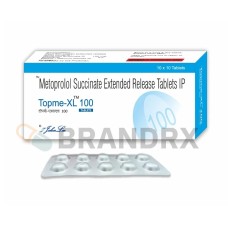




Cardiovascular drugs: An Essential Category for Heart Health
Cardiovascular drugs are an essential category of medications designed to manage and treat various conditions affecting the heart and blood vessels. The primary purpose of these drugs is to prevent coronary artery disease, control blood pressure, regulate heart rhythm, and reduce the risk of heart attacks and strokes. As modern medicine continues to advance, the development and application of cardiovascular drugs have proven crucial in enhancing patient outcomes and improving overall cardiovascular health.
This category encompasses a wide range of drug classes, such as antihypertensives, anticoagulants, antiplatelet agents, cholesterol-lowering medications, and antiarrhythmics. These drugs play a vital role in the ongoing management of heart disease and other related cardiovascular issues. Patients and healthcare providers rely on these medications to tailor treatment plans that enhance life quality and promote longevity.
Typical Users and Contexts for Cardiovascular Medications
Cardiovascular drugs are typically prescribed to individuals diagnosed with heart disease, hypertension, arrhythmias, or hyperlipidemia. The users of these medications can range from adults with risk factors such as obesity, diabetes, and family history of cardiovascular diseases to older adults who may already be experiencing heart-related issues.
Contexts for the application of cardiovascular drugs span various medical settings. Primary care physicians often initiate treatment plans through regular health check-ups, while specialists, such as cardiologists, provide advanced therapies for more severe cardiac conditions. Furthermore, patients undergoing surgical procedures may require anticoagulants to prevent blood clots during recovery. Emergency departments may also administer these drugs to stabilize patients experiencing acute cardiac events, showcasing their critical role in acute and chronic care environments.
The Strengths of Cardiovascular Drugs Compared to Related Categories
One of the primary strengths of cardiovascular drugs lies in their targeted action. These medications are specifically formulated to address various aspects of cardiovascular health, enabling precise management of conditions such as hypertension and heart failure. Unlike general pain relievers or antibiotics, cardiovascular drugs offer tailored benefits that enhance cardiovascular function, stabilize heart rhythms, and optimize blood flow.
Additionally, many cardiovascular drugs have been extensively studied and tested, ensuring their safety and efficacy. This rigorous research and development process allows healthcare providers to make informed decisions regarding treatment options, thus yielding better patient outcomes. Furthermore, cardiovascular drugs often work synergistically with lifestyle modifications such as diet and exercise, reinforcing their effectiveness as part of a comprehensive care strategy.
Benefits of Cardiovascular Drugs
Cardiovascular drugs provide numerous advantages for patients managing heart conditions and related ailments. Here are some key benefits:
- Lower Blood Pressure: Many antihypertensives effectively reduce blood pressure, decreasing the risk of stroke and heart attack.
- Improved Cholesterol Levels: Statins and other lipid-lowering agents can significantly reduce LDL cholesterol, mitigating cardiovascular risks.
- Enhanced Heart Rhythm Control: Antiarrhythmic medications help restore normal heart rhythms, which can alleviate symptoms and improve quality of life.
- Prevention of Blood Clots: Anticoagulants reduce the likelihood of clot formation, particularly in patients with atrial fibrillation or who have undergone certain surgeries.
- Reduced Symptoms: Cardiovascular drugs can relieve symptoms associated with heart failure, angina, and other cardiovascular disorders, allowing for better daily functioning.
The combination of these benefits highlights the importance of cardiovascular drugs in maintaining heart health and preventing severe complications.
Important Considerations Before Choosing Cardiovascular Products
Before selecting products from the cardiovascular drugs category, it is essential to understand several factors and considerations. Firstly, patients should consult healthcare providers to assess individual health needs and tailor treatments accordingly. Cardiovascular drugs may present contraindications in specific populations, such as those with certain kidney issues, bleeding disorders, or hypersensitivity to medication components.
Additionally, it is crucial to monitor potential side effects, which can range from mild to severe, depending on the medication. Patients should report any unusual symptoms to their healthcare provider promptly. Moreover, adherence to prescribed treatments is paramount. Missing doses or discontinuing medication without a doctor's guidance can lead to serious health repercussions, including worsening cardiovascular conditions.
Finally, lifestyle factors, such as diet, exercise, and smoking cessation, should be integrated into discussions about cardiovascular drug therapy. These modifications can significantly enhance the effectiveness of medications and contribute to long-term cardiovascular health.