


 0
Understanding Capecitabine: Core Principles and Features
The Capecitabine category encompasses a range of pharmaceutical products primarily used in cancer treatment. These medications are designed to inhibit the growth and spread of cancer cells, operating on a fundamental principle of targeting rapidly dividing cells. Capecitabine is a prodrug, which means it is metabolically converted to its active form, 5-fluorouracil (5-FU), in the body, specifically in tumor tissues where the enzyme thymidine phosphorylase is more active. This localized conversion enhances the drug’s effectiveness while minimizing systemic toxicity, making it a valuable option in oncology.
Common features of products in the Capecitabine category include oral administration, which enhances patient convenience compared to intravenous therapies. Additionally, these medications often come with specific dosing regimens tailored to individual patient needs, taking into account factors such as body surface area and overall health. Due to these properties, Capecitabine stands out as a pivotal element in the treatment of various solid tumors, particularly breast and colorectal cancers.
Forms and Variants of Capecitabine Products
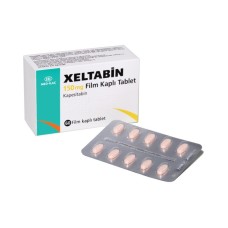
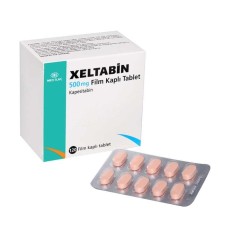
Products in the Capecitabine category are mainly available in tablet form, which is user-friendly and supports patient compliance. Typically, the standard dosage form is 500 mg tablets that patients take twice daily, usually for a cycle of 14 days followed by a rest period. The accessibility of an oral formulation makes it easier for patients to manage their treatment regimens, allowing for a more stable therapeutic regime compared to injectable options.
While the primary focus remains on the oral tablets, variations might include different packaging or co-administration with other supportive medications to mitigate side effects. However, it is crucial for patients and healthcare providers to adhere to established protocols regarding dosage and administration to ensure optimal therapeutic outcomes.
Why Choose Capecitabine Over Other Treatment Options?
The distinguishing feature of Capecitabine compared to other cancer treatments lies in its mechanism of action as a targeted prodrug. Unlike traditional chemotherapy agents that often affect both cancerous and healthy rapidly dividing cells, Capecitabine’s selective activation in tumors aids in reducing collateral damage, resulting in milder side effects and improved quality of life for patients.
Additionally, patients with certain types of tumors who have shown resistance to other treatment modalities may find Capecitabine to be an effective alternative. The convenience of oral administration and flexibility in outpatient settings further add to its appeal, providing patients with autonomy in managing their cancer therapy. It is essential for individuals to consult with healthcare professionals to understand better the suitability of Capecitabine for their specific cancer type and treatment plan.
Long-term Effects and Considerations for Capecitabine Use
While many patients benefit from the use of Capecitabine, it is critical to consider the long-term effects and potential limitations associated with its use. Common side effects include gastrointestinal disturbances, skin reactions, and potential cardiovascular implications. Furthermore, Capecitabine is not suitable for everyone; certain populations should avoid its use, including pregnant or breastfeeding women, children, and individuals with a history of severe allergies to fluoropyrimidines.
Healthcare professionals will typically conduct thorough assessments to ensure that patients have no contraindications for Capecitabine therapy, enabling them to make informed decisions about their treatment options. Continuous monitoring and regular follow-ups are essential for managing any adverse effects that may arise during treatment.
Practical Advice for Using Capecitabine Products
If you are considering starting therapy with Capecitabine, it is essential to engage in an open dialogue with your healthcare provider. Ask questions regarding any potential interactions with other medications you are taking, and discuss the importance of adherence to the prescribed dosing schedule to maximize treatment efficacy.
Before beginning treatment, patients should undergo baseline assessments to monitor organ function, as Capecitabine can impact liver and kidney performance. Additionally, keeping a detailed record of side effects and communicating these promptly with the healthcare team can lead to timely interventions when needed. Always follow dietary recommendations and hydration guidelines to help mitigate any gastrointestinal side effects associated with Capecitabine.
In summary, Capecitabine products represent a vital option in the oncology landscape, combining convenience and effectiveness for patients facing cancer. Adhering to best practices and maintaining regular communication with health professionals can significantly enhance the therapeutic journey.