


 0


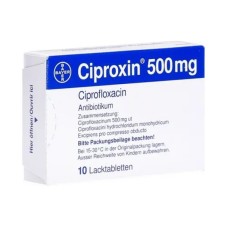





Understanding Antibacterial Drugs
Antibacterial drugs are medicinal agents that play a crucial role in the treatment and prevention of bacterial infections. These drugs are designed to target and kill bacteria that cause a variety of diseases, helping patients recover from infections and improving their overall health outcomes. Antibacterial drugs can work in several ways: some directly kill the bacteria (bactericidal), while others inhibit the growth and reproduction of bacteria (bacteriostatic). The main task that these drugs serve is to eliminate harmful bacteria in the body, thus alleviating symptoms, preventing the spread of infections, and protecting individuals from severe health complications.
Target Audience and Areas of Use
Antibacterial drugs are essential in various healthcare settings and are used by a wide range of people who experience bacterial infections. They are typically prescribed to adults and children suffering from infections such as strep throat, pneumonia, urinary tract infections, and skin infections. In addition, antibacterial drugs are pivotal in surgical procedures where there is a high risk of infection. Medical professionals, including general practitioners, specialists, and hospital staff, utilize these drugs to combat bacterial infections effectively.
It is important to understand that the use of antibacterial drugs should always be accompanied by a consultation with a doctor or specialist. This ensures proper diagnosis and treatment. There are contraindications for their use, and certain groups of individuals should avoid these drugs unless specifically advised by a healthcare provider. For example, pregnant women, infants, and individuals with specific health conditions—such as kidney disease or a history of allergic reactions to antibiotics—may not be suitable candidates for certain antibacterial drugs.
Benefits of Antibacterial Drugs
The key benefits of antibacterial drugs provide significant value, particularly for individuals battling infections. These drugs are particularly suitable for those with compromised immune systems, individuals undergoing surgeries, and patients with chronic illnesses that make them prone to infections. The following list highlights the main benefits of antibacterial drugs:
- Effective in eliminating harmful bacterial infections
- Reduces the severity and duration of illness
- Prevents the spread of infections in communal settings
- Enhances recovery rates in patients undergoing surgery
- Supports the treatment of chronic diseases complicated by bacterial infections
Individuals who are at risk for severe infections, such as elderly patients or those receiving immunosuppressive therapy, particularly benefit from the timely administration of these drugs.
The Core Value of Antibacterial Drugs
The core value that antibacterial drugs offer lies in their ability to save lives by effectively treating bacterial infections. They form a critical component of modern medicine, not just in curbing existing infections but also in preventing potential outbreaks that could lead to epidemics. By utilizing these medications responsibly—under the guidance of a healthcare professional—patients can ensure they are receiving the most appropriate treatment for their infection. Furthermore, understanding the importance of proper dosages and adherence to treatment regimens enhances the efficacy of these drugs, leading to better health outcomes and a reduction in the risk of antibiotic resistance.
In summary, the category of antibacterial drugs is integral to public health, safeguarding individual and community well-being by controlling and managing bacterial infections effectively. Through appropriate use, education, and healthcare provider support, these drugs continue to be a powerful tool in the fight against infectious diseases.