


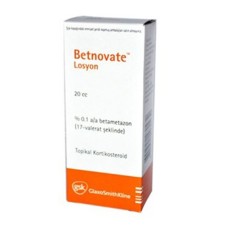


Define Betamethasone valerate as a product category and explain its general purpose
Betamethasone valerate is a synthetic corticosteroid belonging to a class of drugs known for their anti-inflammatory and immunosuppressive properties. In the United States, this product is primarily utilized to treat various skin conditions, including eczema, psoriasis, and dermatitis. Its effectiveness comes from its ability to reduce inflammation and alleviate symptoms such as redness, itching, and swelling. As a topical treatment, it is formulated in creams, ointments, and lotions, making it accessible for patients experiencing localized skin issues.
The general purpose of Betamethasone valerate is to manage inflammatory skin disorders by modulating the immune response and decreasing the production of inflammatory substances within the body. This results in a soothing effect on irritated skin, allowing for better healing and comfort for patients. Additionally, the potency of Betamethasone valerate can vary, influencing its effectiveness and application in different treatment scenarios, which further positions it as a crucial element in dermatological therapeutics.
Describe how Betamethasone valerate fits into broader product ecosystems or treatment strategies
In the realm of dermatology, Betamethasone valerate is often part of a comprehensive treatment strategy designed to address skin disorders. This categorization encompasses a variety of therapeutic modalities that may include other topical treatments, oral medications, and lifestyle modifications aimed at improving skin health. Typically, Betamethasone valerate is included in a strategic approach that integrates both pharmacological treatment and patient education to reinforce adherence and long-term management of skin conditions.
The broader product ecosystem surrounding Betamethasone valerate includes alternative corticosteroids, non-steroidal anti-inflammatory drugs (NSAIDs), and adjunct therapies, such as moisturizers and emollients, which help maintain skin hydration and barrier function. By understanding where Betamethasone valerate fits into this ecosystem, patients and healthcare providers can optimize treatment outcomes based on the severity of the condition, patient preferences, and the desired speed of symptom relief. Physicians may often prescribe Betamethasone valerate as part of a step-down approach after initiating therapy with more potent agents, emphasizing its adaptability and effectiveness in chronic management.
Explain the advantages users typically expect from this category
When considering the use of Betamethasone valerate, patients typically seek several key advantages associated with its application. The following list outlines the primary benefits users can generally expect:
- Rapid relief from symptoms such as itching, redness, and inflammation.
- Availability in various formulations, allowing for flexibility in application and patient preference.
- Targeted treatment that minimizes systemic exposure and side effects.
- Compatibility with other topical agents, enabling a multi-pronged approach to skin care.
- Proven efficacy in managing chronic skin conditions with a long-standing history of clinical use.
These advantages underscore the role of Betamethasone valerate in managing dermatological conditions effectively. Patients appreciate how quickly symptoms can be alleviated, facilitating improved quality of life. Moreover, with its various formulations available, users can choose the most applicable method suited to their individual needs and comfort.
Discuss risks, precautions, and contraindications for use
While Betamethasone valerate is widely used and generally considered safe when applied as directed, it is crucial to recognize potential risks, precautions, and contraindications associated with its use. Prolonged or excessive use can lead to skin thinning, steroid-induced rosacea, or the appearance of stretch marks. Patients with certain pre-existing conditions, such as viral infections, bacterial infections, and skin tumors, should avoid this medication unless prescribed by their healthcare provider.
Additionally, it is essential to follow dosing instructions carefully, as overuse may not only exacerbate side effects but also lead to diminished effectiveness over time—a phenomenon known as tachyphylaxis. Patients should be aware that Betamethasone valerate is not recommended for use in children under a certain age without professional guidance, due to the increased risk of systemic absorption and potential side effects. Furthermore, individuals with a history of hypersensitivity to corticosteroids should avoid using this medication altogether.
Conclude with guidance on how users should approach understanding and exploring the Betamethasone valerate category responsibly
For individuals considering the use of Betamethasone valerate, a responsible approach to understanding and utilizing this medication is paramount. First and foremost, consulting with a healthcare professional provides tailored advice based on personal health history and specific skin conditions. Engaging in a thorough discussion about treatment options, expectations, and potential side effects will create a more individualized approach to care.
Moreover, it is crucial for users to stay informed about the appropriate uses and limitations of Betamethasone valerate, as well as the importance of adhering to prescribed treatment plans. Ongoing communication with healthcare providers about any changes in symptoms or side effects can facilitate timely adjustments to treatment and ensure effective management of skin conditions. By approaching the Betamethasone valerate category with careful consideration and direct guidance from healthcare practitioners, patients can harness its benefits safely and effectively for their dermatological needs.