


 0
0
 0
0
 0
0
 0
0
 0
0
 0
0
 0
0
 0
0
 0
0
 0
0
 0
0
 0
0
 0
0
 0
0
 0
0
 0
0
 0
0
 0
0
 0
0
 0
0
 0
0
 0
0
 0
0
 0
0
 0
0
 0
0
 0
0
 0
0
 0
0
 0
0
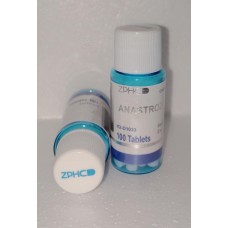 0
0
 0
0
 0
0
 0
0
 0
0
 0
0
 0
0
 0
0
 0
0
 0
0
 0
0
 0
0
 0
0
 0
0
 0
0
Aromatase inhibitors: Overview and Functionality
Aromatase inhibitors are a class of medications that play a crucial role in the management of hormone-sensitive conditions, particularly in the context of breast cancer treatment. The primary function of these inhibitors is to block the aromatase enzyme, which is responsible for converting androgens (male hormones) into estrogens (female hormones) in the body. By reducing the levels of estrogen, aromatase inhibitors help to slow down or stop the growth of certain types of breast tumors that require estrogen to develop. This makes them an essential part of the therapeutic landscape for patients battling hormone-receptor-positive breast cancer.
Typical Uses and Situations for Aromatase Inhibitors
Aromatase inhibitors are typically utilized in several situations, particularly for postmenopausal women diagnosed with hormone-receptor-positive breast cancer. They are often prescribed as adjuvant therapy, which means they are used after surgical procedures to reduce the risk of cancer recurrence. In addition, they may also be considered in metastatic settings where the cancer has spread. Beyond breast cancer, researchers are investigating the potential benefits of aromatase inhibitors in other hormone-related conditions, but their primary application remains in oncology.
It is extremely important to seek professional medical advice before using aromatase inhibitors. Self-medication can lead to serious complications and inadequate treatment. Consulting with a healthcare provider ensures that the therapy is appropriate based on individual health needs and conditions.
Is an Aromatase Inhibitor Right for You?
Determining whether aromatase inhibitors are suitable for your treatment involves a careful assessment by a healthcare professional. Generally, these medications may be appropriate for you if you meet the following criteria:
- You are postmenopausal and have been diagnosed with hormone receptor-positive breast cancer.
- You have previously undergone surgery or radiation therapy as part of your cancer treatment.
- You are seeking to prevent cancer recurrence after initial treatment.
- You have specific medical indications for using aromatase inhibitors as established by your doctor.
- You understand the potential side effects and are prepared to manage them with professional guidance.
Discussing your health history, current medications, and any concurrent conditions with a healthcare provider will help ascertain whether aromatase inhibitors are the right option for you.
Choosing the Right Aromatase Inhibitor
When selecting an aromatase inhibitor, it is vital to consider several factors to ensure effectiveness and safety. Look for reputable sources or brands that have demonstrated quality and consistency in their formulations. It is also critical to consider any contraindications that may affect the suitability of aromatase inhibitors:
- Aromatase inhibitors are not recommended for use during pregnancy due to potential harm to the fetus.
- These medications are typically unsuitable for premenopausal women.
- Individuals with certain health conditions, such as severe liver impairment, may need to avoid these treatments.
- Discussing potential interactions with existing medications is crucial to prevent adverse effects.
Always consult your healthcare provider to ensure that the aromatase inhibitor you choose aligns with your specific health situation and treatment goals.
Summarizing Key Information and Next Steps
Aromatase inhibitors are key components in the management of hormone-sensitive breast cancer, designed to lower estrogen levels and inhibit tumor growth. If you believe that these medications are appropriate for you, the next steps are to engage in a thorough consultation with your healthcare provider, who can guide you through the selection process based on your unique health profile.
To explore the range of available aromatase inhibitors and connect with professionals who can help tailor a treatment plan just for you, browse the range of products offered on our website. Your health journey is important, and the right information can lead to better outcomes.